
Choose ATL Launches Next Phase of Campaign
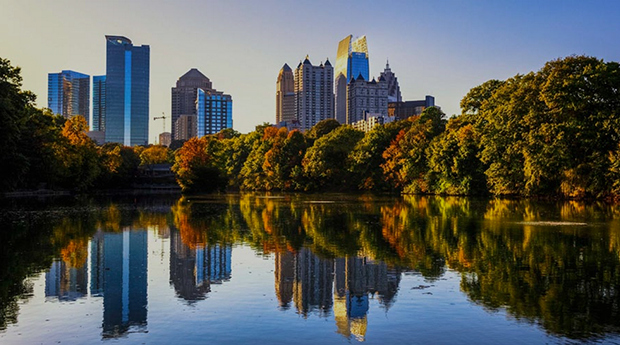
The ChooseATL campaign started as a grassroots effort to change perceptions of our city. It was a completely volunteer-driven effort made up of several people that wanted to better tell Atlanta’s story. The original task force was comprised of the most talented people from Atlanta’s biggest brands, including other agencies, startup leaders, government representatives, non-profit partners and more.
The first phase was an incredible success. We drove more than 40 million media impressions, our social campaign led to thousands of photos and tweets shared using the #ChooseATL hashtag, and we even threw a flash-mob style lantern parade right in the heart of South by Southwest interactive.
But, one of the questions we’ve come across more recently was how will we build, grow and sustain this effort? Working with Metro Atlanta Chamber and their partners throughout the 29-county region of Atlanta – along with BBDO and Porter Novelli – we’re proud to announce the launch of the next phase of the campaign.
Behind the Scenes of Our Campaign to Support the Atlanta Beltline

The Atlanta Beltline is the most transformative smart growth project in the United States. A 22 mile emerald loop of parks, trails and transit will soon encircle our city and represent a new path towards a better Atlanta.
As a fan of new urbanism and someone who is passionate about our city, it’s a project I’m proud to support. So when Jennifer Dorian and her team from the Atlanta Beltline Partnership reached out to us to discuss ways to help them hit their 2014 fundraising goals, we immediately offered to help.
Changing Behavior by Design
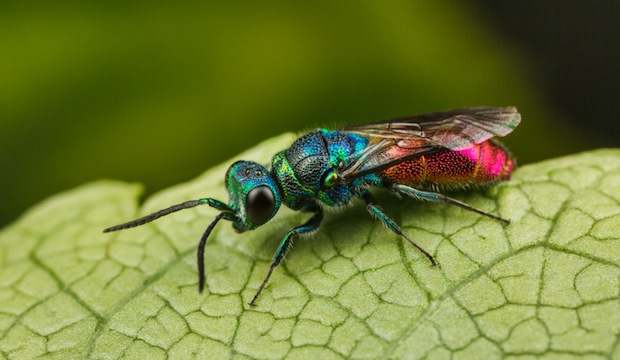
The Jewel Wasp is perhaps the craziest parasite in nature, and it has a pretty interesting method of getting other bugs to do what it wants.
It actually enslaves cockroaches by stinging their brains and injecting a mind-controlling venom. According to Wired, “The wasp then leads the zombified roach by its antenna to a chamber, where it lays a single egg on its perfectly relaxed host and seals it inside with pebbles. Here, the larva bores into the cockroach and feeds off its organs before killing it and emerging from its corpse into the light of day.”
Unfortunately for designers and marketers, we possess no such venom. Even if we did, using it to get our users to take a desired action would be highly unethical. Not to mention highly illegal.
But that doesn’t mean we don’t have tools at our disposal to influence behavior. We do. And the first one is gaining a comprehensive understanding of why people do what they do.
The Evolution of Content Marketing & Why Authenticity is Everything
The biggest misconception around content marketing might be that it’s a recent innovation. The truth is, it’s far from it.
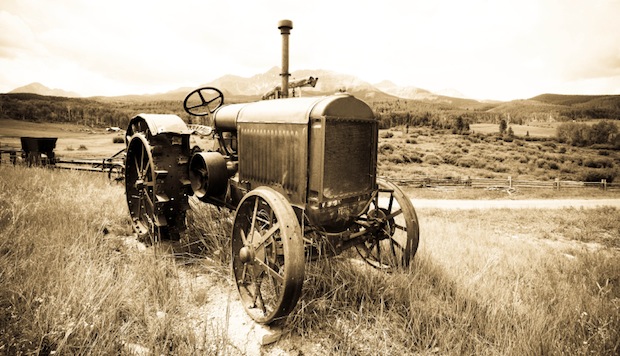
Way back in 1895, John Deere started delivering a monthly publication called “The Furrow” to farmers. The magazine not only told them great things about John Deere products, it also included tips on how to be a better farmer. In the grainy, black and white pages of “The Furrow”, content marketing was officially born.
It wasn’t long before other brands followed -- Jell-O soon started printing recipe books and Proctor & Gamble invented the soap opera to sell more soap. Today, there’s not a single B2B client I meet that doesn’t discuss thought leadership as a goal, or a B2C client that doesn’t want to differentiate through branded content.
But the world has changed since John Deere’s time. It has gotten harder to earn the trust of consumers because so many of them have been burned by marketers in the past. Marketers told them smoking was good for them. Marketers told them dried up shrimp were magical creatures called “sea monkeys” and that they could buy real X-Ray glasses for a dollar.
Consumers have been conditioned to think you’re always trying to sell to them. That they can’t take you at your word. Today, it’s not enough to come right out and tell people why you’re a great brand. Not the way John Deere was able to do it. Today, you have to do more.
We Choose ATL
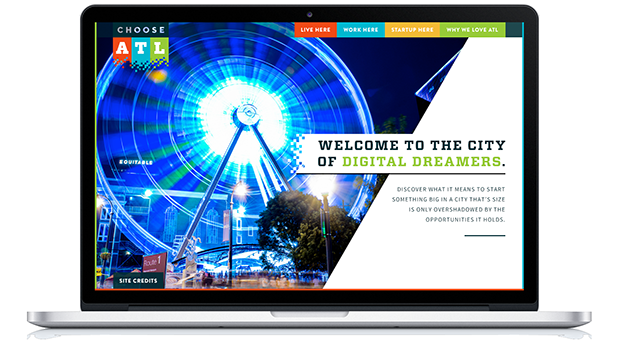
This city has given us a lot. We first started Nebo in a third floor walkup in downtown Atlanta – on Mitchell Street to be precise. The rent was $925/month. It had big windows and great lighting, and we had access to the best shoe cobbler in the city on the bottom floor.
Atlanta was the perfect place to get a company off the ground. It had big brands we could pitch, an abundance of talent to recruit and a community who opened their arms to welcome us as a new firm. Even potential competitors gave us advice and guidance when we first started. Southern hospitality is real.
Then eight years ago, we moved to the fledgling West Midtown design district. Nebo, Octane Coffee, Rocket Science Group (best known for MailChimp) and a few other digital firms were some of the first to migrate to this now vibrant part of town.