
Respecting the Art of Web Copywriting

Writing copy for marketing campaigns is modern day poetry when it’s done right. Great copy engages emotionally. It persuades, entices, entertains, and informs. And nowhere is there more copy, or more important copy, to be written than on a brand new website.
Yet copy is the most overlooked aspect of many design projects. Copywriters all too often don’t get the respect or credit they deserve. The truth is that, when done right, a website is a digital novel. It invokes great storytelling to communicate a specific brand message to an audience.
Most clients realize they need help crafting that message during the branding stage. They realize they need help with design, development, and marketing campaigns. However, too many tend to think that they can write their own website copy. Whether they’re a Fortune 100 or an emerging start up, they all assume they can and should own this.
They shouldn't.
The True Measure of a Man in the Digital Age
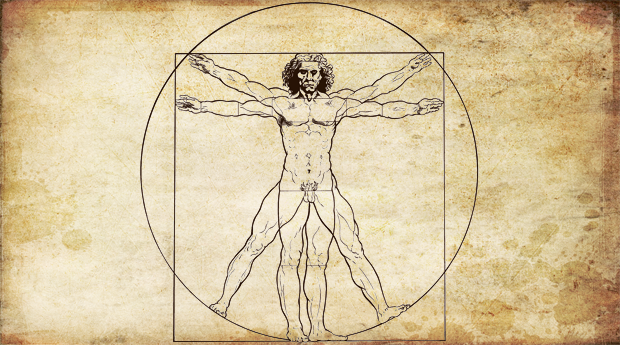
Defining a life well lived was simpler before the digital age. Things like happiness, providing for your family, integration into your community – and let’s face it, just survival & reproduction, could easily define success in life.
Many would argue these still define a good life, but the world has changed and is immensely more complicated.
There are seven billion people on the planet. We face digital and sensory overload, being exposed to over 5 million ads per year. We each watch 3000 hours per year of TV. We have weapons that could annihilate the entire world many times over. We send 400 million tweets per day. We “Like” something on Facebook over 30 billion times per week. The environment is disintegrating before our eyes. Consumerism is a like a sugar high for our self esteem. Factory farms ruin the environment and create hell on earth for our animal friends. Technology will soon outpace our ability to manage, understand, and co-exist with our own inventions.
Communities and families are fractured – especially in Western civilizations. Gone are the days and where communities were really communities. We’re a collection of houses with Wi-Fi connections.
We’re closer to our digital families than our real families many times – or we at least seek their approval more. Getting liked on Facebook or being retweeted carries more social equity than real life interactions.
I’m not criticizing digital or social media, but I am asking a question.
Follow-Through

Successful people have been studied and written about for centuries. We all wonder what qualities and habits enable greatness. Malcom Gladwell surmised that greatness was an output of practice—and a lot of it. 10,000 hours of deliberate practice seemed to be the magic number in his best selling book, “Outliers.” But like most things, it’s more complex than simply logging 10,000 hours.
A quick search on Google demonstrates how much has been written about the topic. As you can see below, when searching for “leadership qualities” over 40 million results are found.
Dignity & Performance
These days, everyone wants to talk about strategies for motivating employees. The topic has exploded over the past decade or so because our understanding of motivation has evolved. Decades ago, people thought we were motivated primarily by compensation. Pay people more and they’ll work harder, right? Fortunately, we’ve come to understand that human beings are more complicated than that.
Now, culture is all the rage. Thought leaders across every industry preach the effectiveness of building great work environments and weaving perks into the career experience. Article after article, blog post after blog post, headline after headline. The same talking points—largely repackaged.
What is culture? According to the experts, it’s a magical confluence of work and fun that improves performance across the board.
But the culture peddlers are missing the point. Yes, it’s important to create an atmosphere that drives and inspires great work, but are employee happiness and performance really as simple as a few perks and a pinch of autonomy?
We don’t think so.
Nebo's Future – Baby Adeline
Over the past few years, we’ve talked quite a bit about Nebo being a human-centered agency. About our purpose, trying to bring humanity back to digital. About being more revolution than business. About making our culture our competitive advantage. About putting people before profit.
And every now and then – during those transformative times in our lives – our purpose, our fight, and our vision becomes even more meaningful. One of those moments occurred Wednesday night when our Co-founder and President, Adam Harrell, welcomed his first child into the world, baby Adeline.