The Power of Brand: Dallas Cowboys Edition
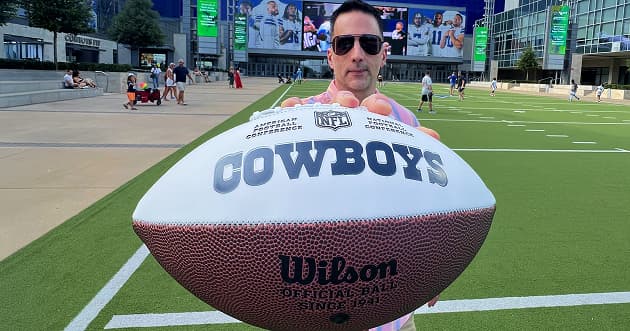
The first Super Bowl I ever watched was the 2nd Super Bowl rematch of the Cowboys versus Steelers. The Cowboys lost. My toddler heart was broken, and I thought it was the worst thing that could ever happen.
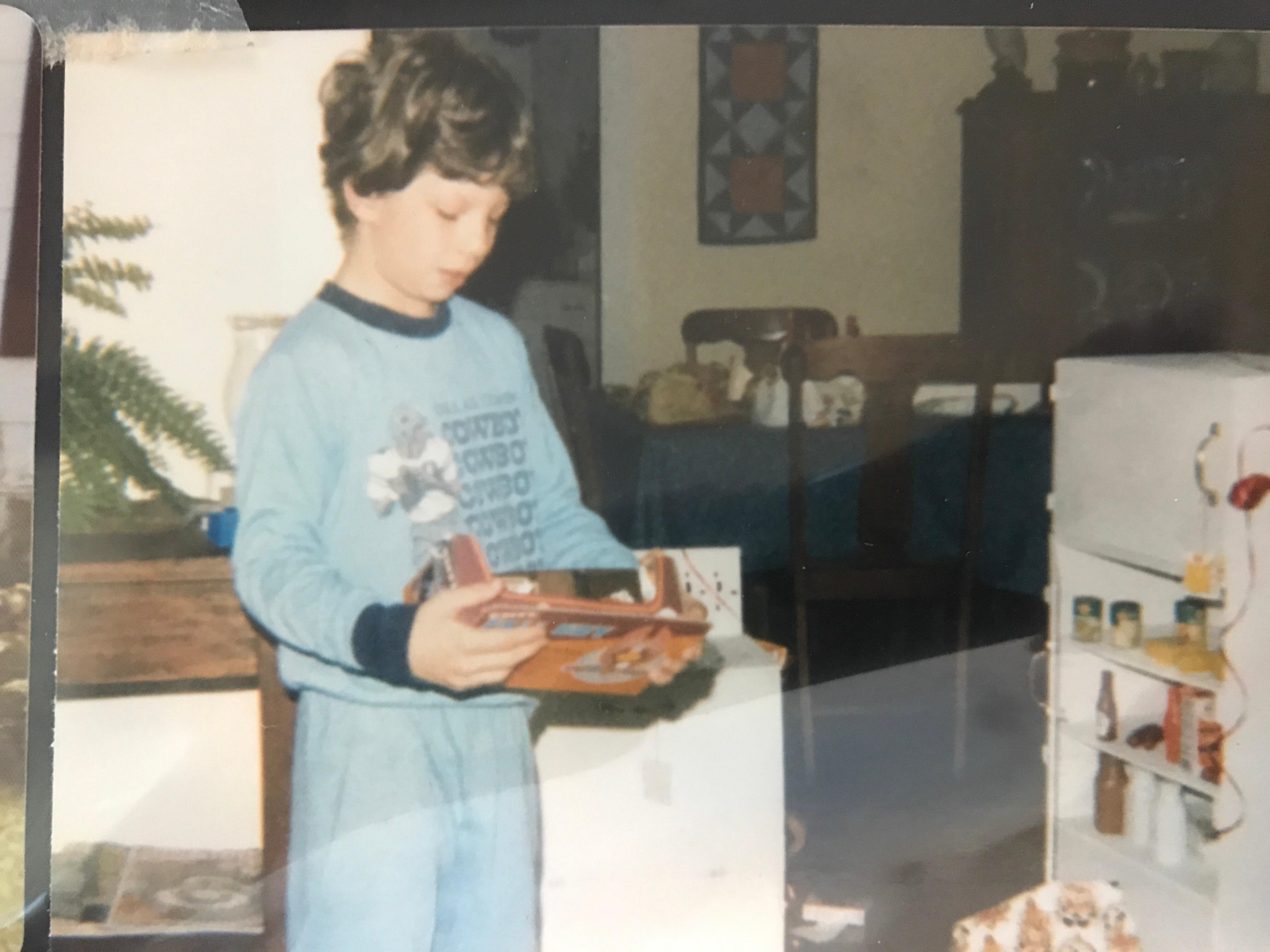
I loved the Dallas Cowboys. Each year, I’d circle Cowboys and Steelers figures in the JCPenney catalog before Christmas, hoping Santa would put them under the tree (along with other potential Cowboys presents).
Every day, my toy Cowboys defeated the toy Steelers on my bedroom floor.
I had posters of Tony Dorsett, Drew Pearson, Harvey Martin, Randy White and the fierce Doomsday Defense. And of course, I had my Cowboys t-shirts for backyard football battles.
From 1960 through 1989, the Dallas Cowboys won more games and appeared in more Super Bowls than any other team. They made the playoffs 27 out of 29 years. They went to five Super Bowls, winning two. The dreaded Steelers had been to four, but had also won four.
The Cowboys were (and still are) America’s team. They built their brand on winning and good, clean and wholesome football driven by a legendary coach (Tom Landry), and guys who worked hard, cared, did their best, and were people everyone could root for. They weren’t perfect, but they were the good guys, so to speak.
Then, Jerry Jones bought them...
In a huge move, he hired his old college football teammate and “friend” Jimmy Johnson, who immediately traded Herschel Walker, moving a total of 18 players between three teams, and supercharging the Cowboys for the next few years.
From the 1992 through 1995 seasons, the Cowboys went to three more Super Bowls, becoming the team with the most Super Bowl appearances (8) and wins (5) in NFL history. That is, of course, until Jimmy Johnson was fired immediately after winning his second consecutive Super Bowl.
After Johnson was fired, Barry Switzer stepped in. With Jimmy and Jerry’s foundation, he went to the NFC Championship in '94/95 and lost to the 49ers. The next year, they returned to the Super Bowl, beating the archenemy Steelers. This meant that, in the 35-year history of the Cowboys, they had appeared in nearly 1 out of 4 Super Bowls and had won nearly 15% of them.
They were the best team in NFL history at that point. Period.
This made Cowboys fans very happy. Their brand and team strength were unparalleled.
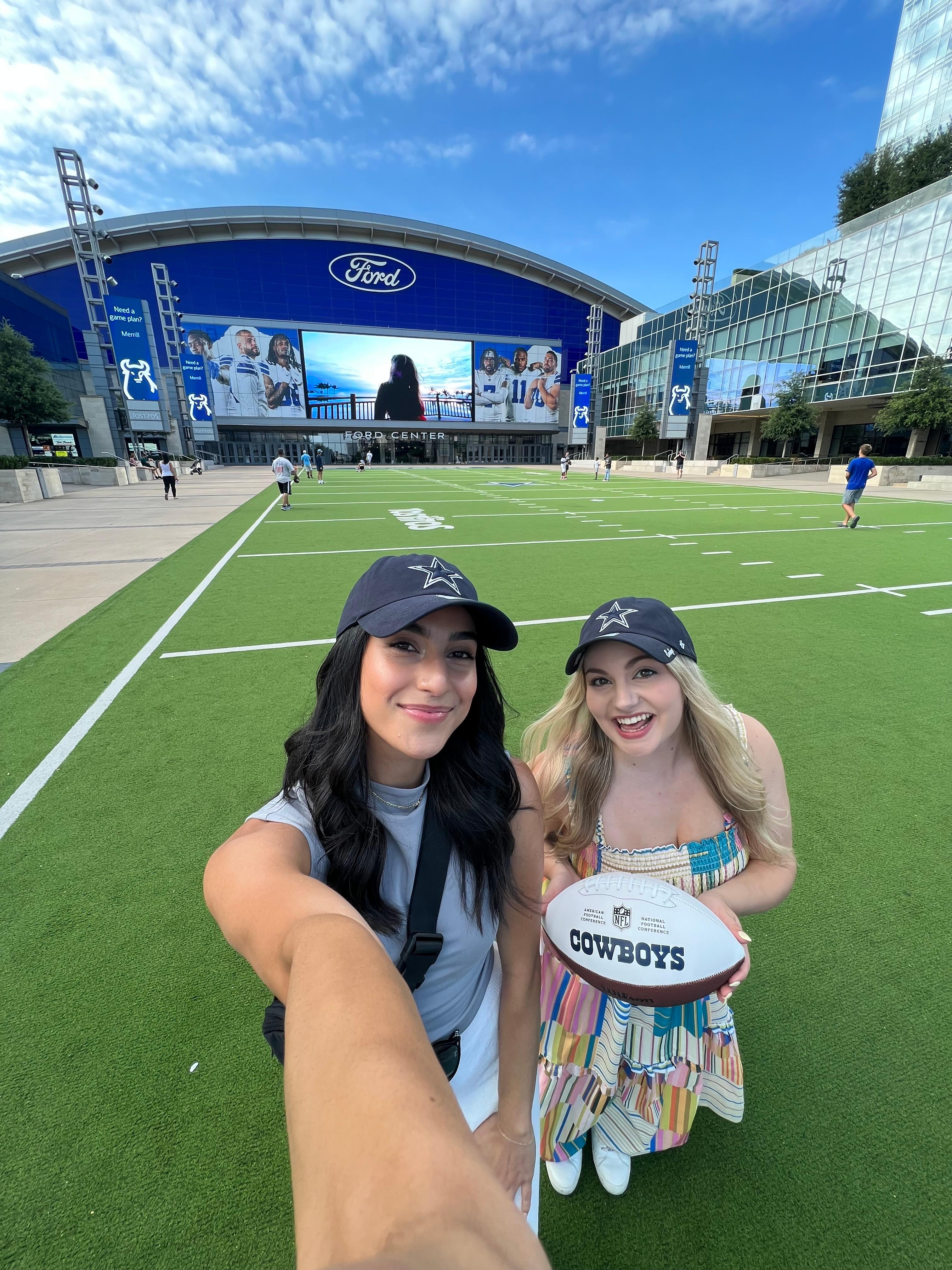
However, since that 95/96 season, they have failed to live up to their glorious past. They haven’t been to a Super Bowl since. They have been the definition of mediocrity and of failed expectations.
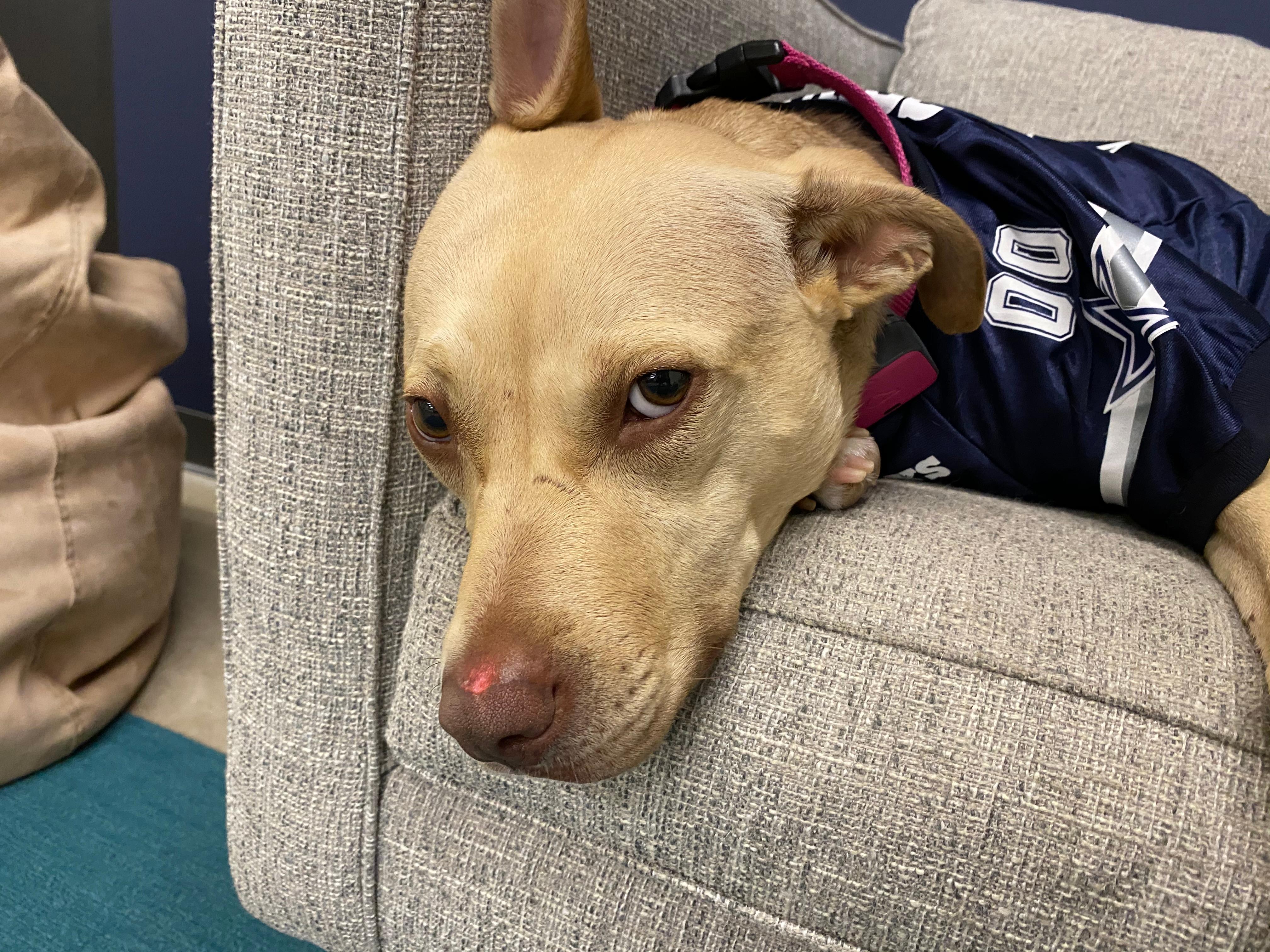
And even though I’m disappointed in the direction the team has taken over the past 30 years, I still love them. I’m a full-grown adult, yet they still have my heart in the way they did when I was a kid.
Moreover, despite this losing track record, they are the most valuable team in history. They were the first sports franchise to be valued at over 10 billion dollars. Today, they are worth 13 billion. They are still America’s team despite 30 years of not winning.
That is the power of brand and branding. They built a carefully cultivated brand during their first 29 seasons that propels them to this very day.
We often think in terms of channels and conversions. But the outcome of these tactics and channels is a by-product of branding.
The Dallas Cowboys built a brand that endures. Conversions follow. Channel success isn’t an isolated variable from their brand.
The goal(s) shouldn’t just be conversions. Or be measured only by things like brand reach, sentiment, mentions, etc. The emotional connection is the holy grail in terms of the actual goal.
There was a study a few years ago where people were put in fMRI machines to test the actual taste preference of Coca-Cola versus Pepsi. In blind taste tests, the results are usually close to 50/50 depending on a few variables.
There was one exception. If users were told they were tasting Coke, then Coca-Cola crushed Pepsi two to one. You could actually see it in the fMRI results. Once users were told they were about to taste Coke, their brains lit up with excitement and anticipation. Hence, people preferred Coke in the tests not just because of the taste, but because of the brand.
The Cowboys are lucky. They built an incredible and sustainable brand. Losing hasn’t hurt them — yet. However, they shouldn’t take this for granted.
If they’re not careful and don’t turn around the franchise, then the brand could lose the crown of America’s team at some point.
In the meantime, we should all aspire to cultivate deep emotional connections that fuel brand loyalty and relationships, and avoid the immediacy of the current, overly personalized, channel-centric, transactional approaches that too many of us feel pressured to fall into.
People aren’t simply transactions. Conversions don’t necessarily equal success. Brand and brand loyalty are the cake, so to speak; the rest is just icing.
Go Cowboys (next year)!

Comments
Add A Comment