To Hone Your Craft, Slow Down: A Lesson in Creativity and Photography
We are all dealing with a lot. Not to be a downer, but… the list goes on and on.
expectations • meetings • imposter syndrome • quiet quitting • quiet cracking • burnout • shift sulking • big tech • google stitch • claude design • revenge bedtime procrastination • efficiency • production • expertise • exhaustion • high functioning depression • the economy • politics • the world…
It’s. A. Lot.
Sometimes we just need to exhale. Like RuPaul says, “You can look at the darkness — don’t stare.”
For me, I didn’t intentionally seek to move slowly or to practice a craft. But the zeitgeist of * IT ALL * must be affecting me, like it does for us all. Let’s be real: if someone asks me how I feel, there are the general platitudes of “it’s going,” “I’m just happy to be here,” or “yep, one day at a time!” 🙄 But I also do keep it real. I tell people, “I am tired.” No sarcasm. No punchline. I tell people, “I am exhausted.” “I am over it.” But I keep moving on as I must. Trying to find the enjoyment in it. Trying to take that exhale when I need it.
For those of us who have felt harried, like we just can’t keep up with the modern grind of capitalism crushing us all… a new movement has emerged: intentional slowness.
Intentional slowness, or the slow movement, can be defined as basically:
- a cultural initiative that advocates for a reduction in the pace of modern life, encouraging individuals to embrace a more thoughtful and deliberate approach to their daily activities.
It’s a:
- cultural shift away from the “faster is better” mentality, advocating doing tasks at the right speed rather than the fastest. It focuses on quality over quantity, mindfulness, and reducing stress by deliberately slowing down daily actions — like eating, working, or walking — to improve well-being.
And by association, slowing down and honing a craft allows for dedicated, focused, undisturbed time to spend on the craft itself, not on worrying about whether you are good or spiraling about whether other people will like it. But what is a craft? At its simplest, a craft is an occupation, trade or activity requiring manual dexterity or artistic skill, but it’s more than that.
It is the input we give something, the act of creation, not the outcome or the result. For many, practicing one’s craft is not always about an endpoint, an outcome or a final beautiful work of art. Rather, the practice itself is the point. The craft is the enjoyment. The craft is the moment to exhale.
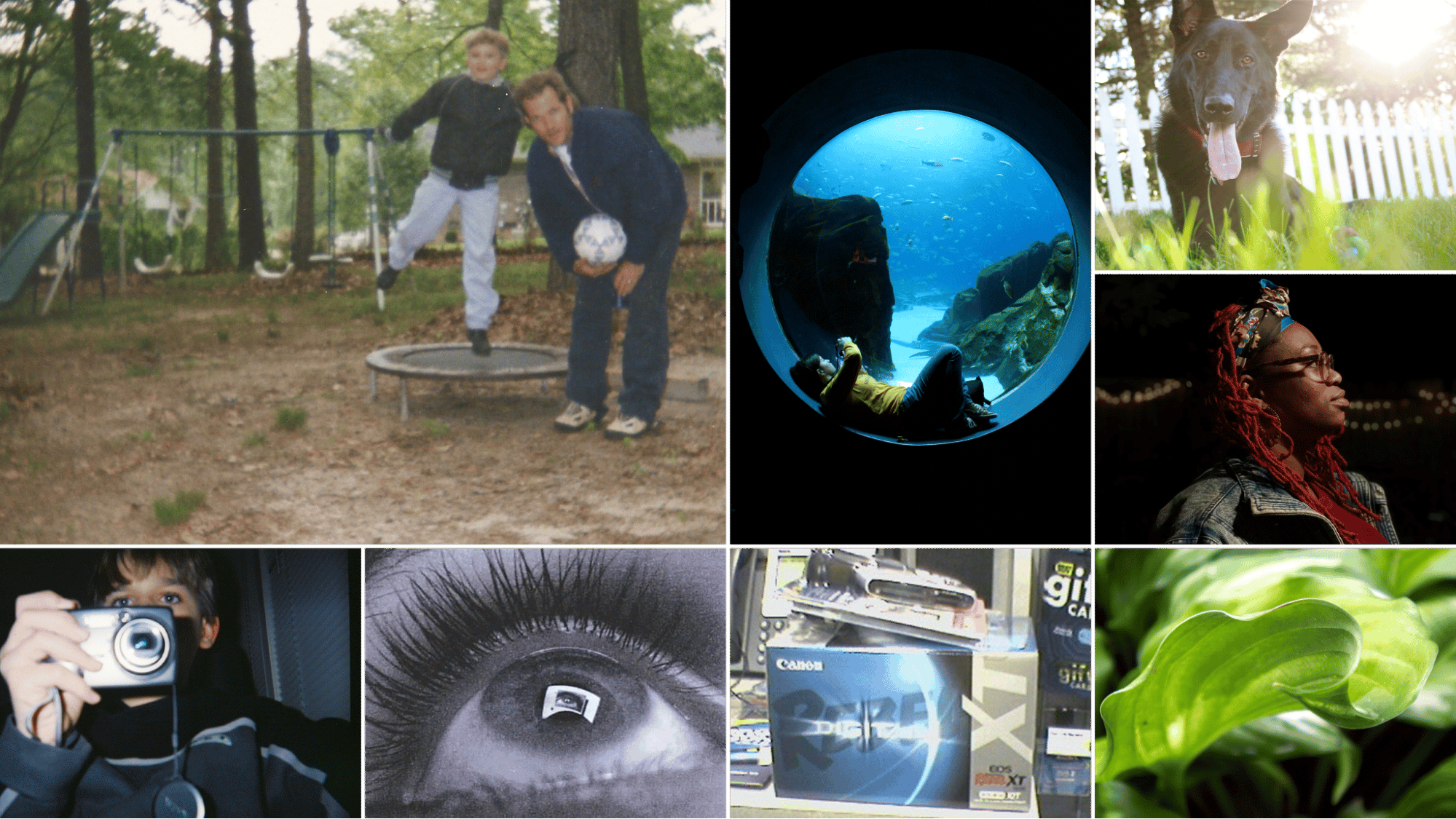
As a hobby photographer, I of course wanted my photos to be good, but the curiosity and the praxis of it all is what kept me snapping and snapping and snapping. As a tiny tot with a disposable or basic point-and-shoot film camera in the '90s, to digital and cell phone cameras whose resolution topped out at less than a megapixel, I took a lot of photos. I used to bring my digital camera — my Canon Rebel XT DSLR and two lenses — with me everywhere before my iPhone camera became my regular go-to.
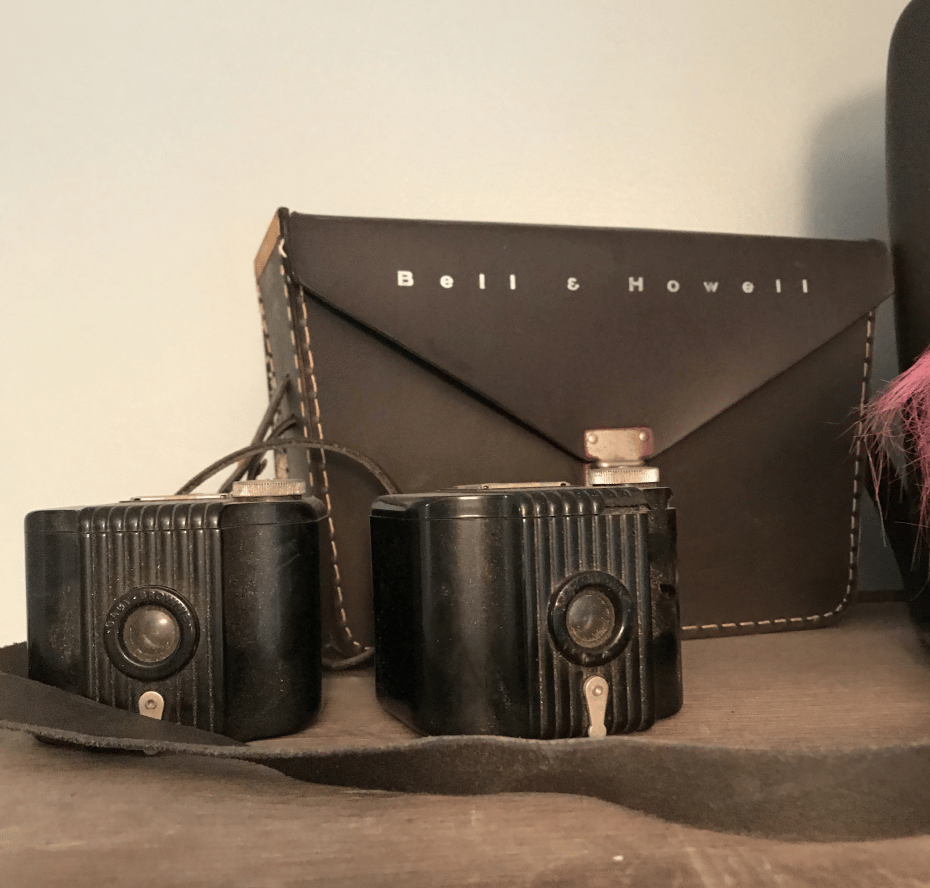
So it’s no surprise that over time, my husband and I have collected a small array of cameras. I have my cameras. He has his. Our collection grew after a tragic (but thankfully non-fatal) fire destroyed my cousin-in-law’s Mississippi family home, and my husband went with his mother and grandmother to recover and rebuild. He inherited a number of film cameras, both still and video, ranging from models manufactured in the 1930s into the 1960s. For years, they sat as heirloom decor on shelves, resting patiently in our Candler Park rental and maintaining their inertia as beautiful props after being artfully placed in our Lawrenceville home on new shelves and tables.
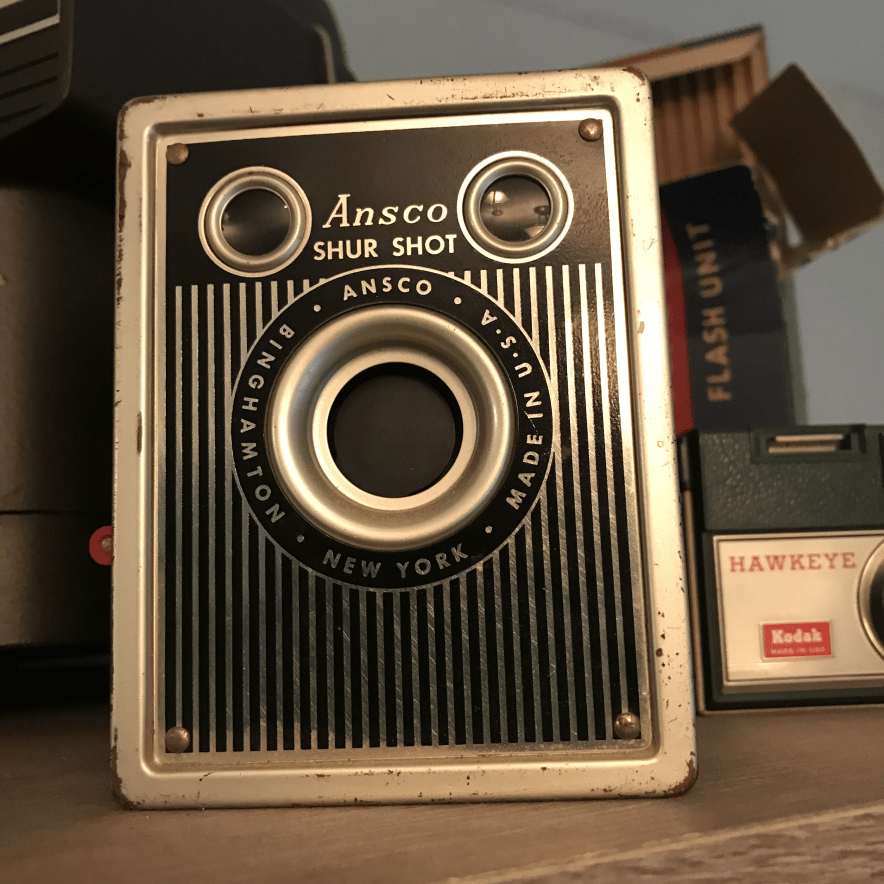
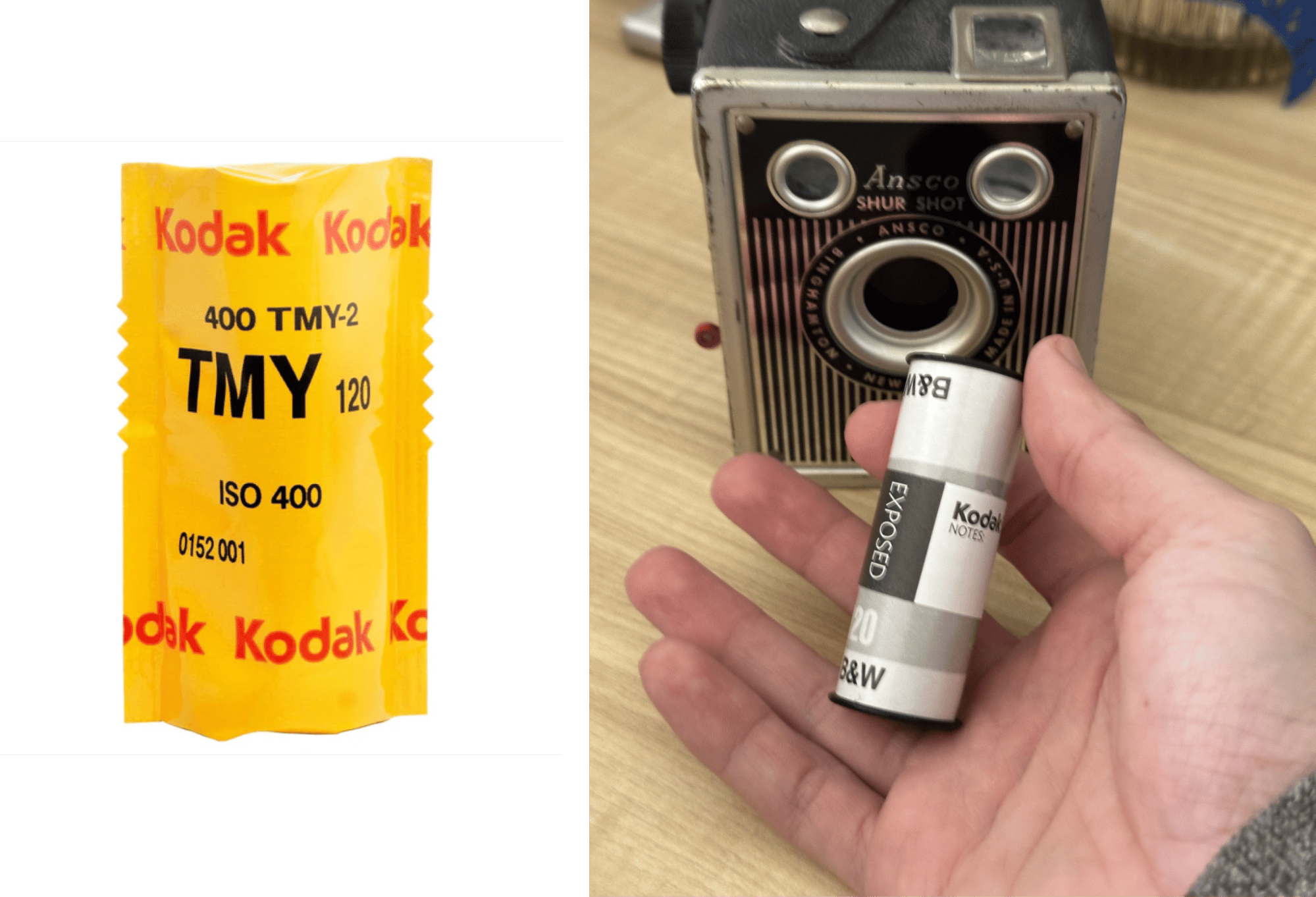
The Ansco Shur Shot, from the 1940s, with its big, boxy stature, sat above our TV for years, staring back at me as I sat passively on the couch. At certain angles, the light from the nearby window would be guided into the camera’s glassy, magnifying-lens-esque viewfinders, and the shine would emanate from the front face, as if coming from within the box like a jewel with a soul. Maybe I wanted the slow-movement life, or maybe the camera was actually a haunted siren beckoning (why not both?), but I gave in to curiosity and felt the need to see if this camera could actually do something.
Of course, with this journey, my main speed bump was the fear of breaking the camera. So I did a lot of worrying over Google, TikTok, YouTube and the mysterious world of independent websites and blogs!!! Along with the Ansco Shur Shot from the ’40s — which I discovered uses 120 film, a format that is still widely produced and available — I also learned more about a few other cameras we had.
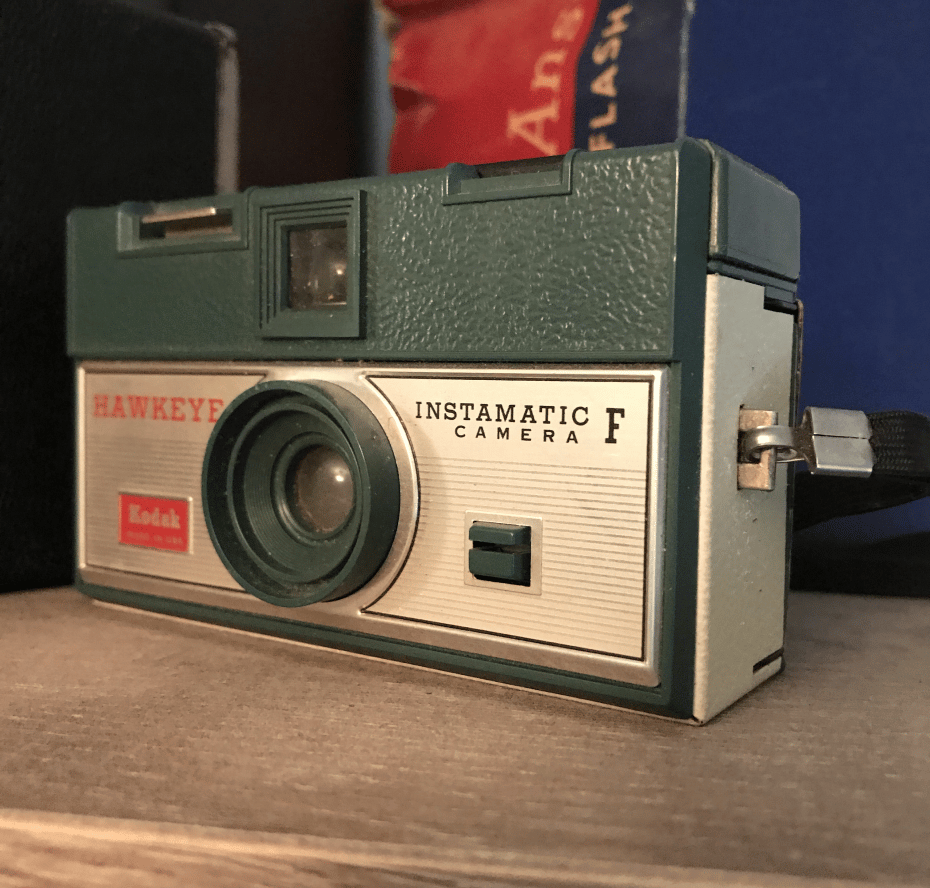
We also had two Kodak camera models — two identical Baby Brownies from the mid-to-late 1930s that use a small-format 127 film, and a Hawkeye Instamatic F from 1964, another small-format camera, but this one uses 126 film. From my bumbling research, I learned neither camera had film in production anymore.
So with some basic knowledge, I decided the Ansco Shur Shot was my sure shot at starting film photography. And so I started. Basic photos around the house. The yard. The trees.
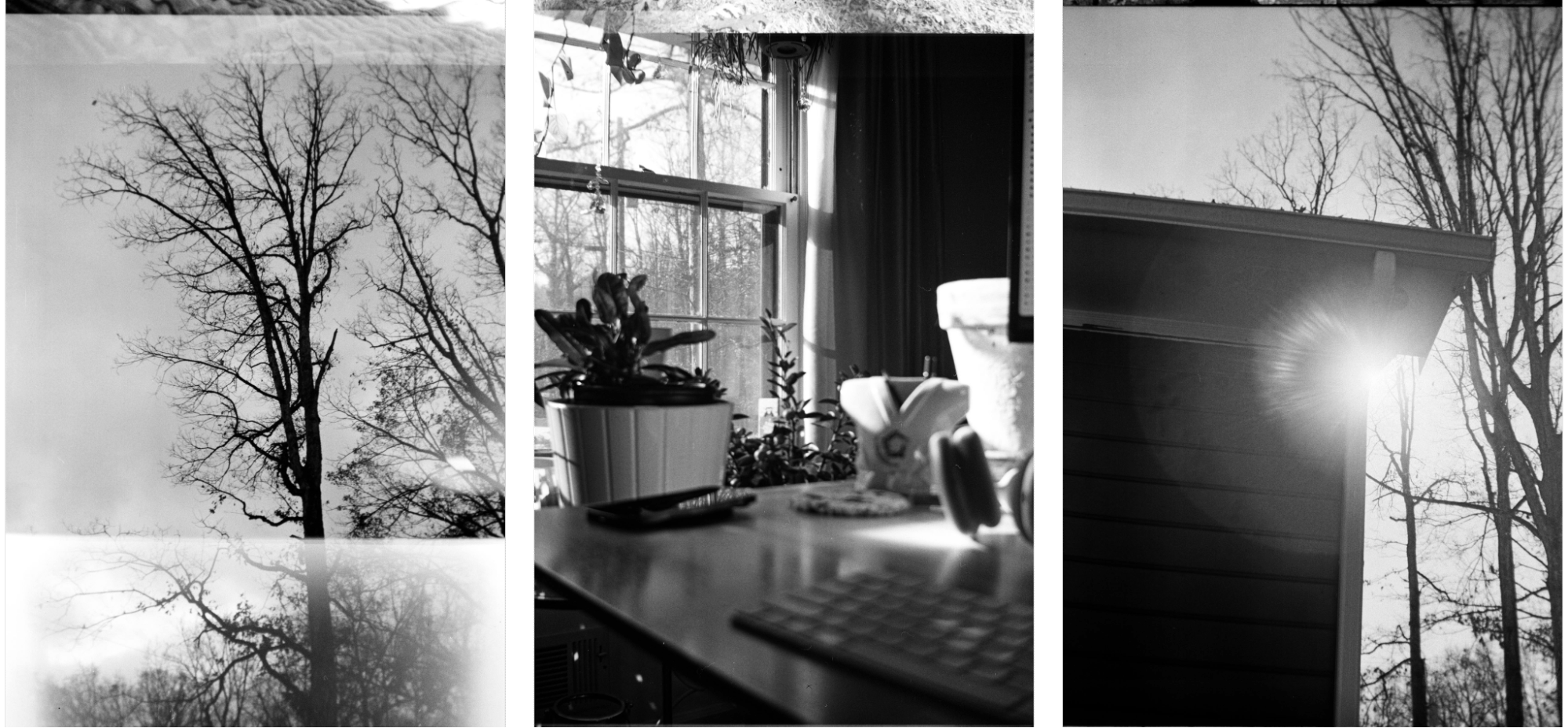
The leap of faith was great. I finally took some photos, and I couldn’t believe that this decades-old box with some holes in it could produce images like this. Still. The beauty of the images is not just that they are a real view of what I saw, captured in an instant in black and white. It is the lack of immediacy. The slow reveal of the image after waiting for a click, a crank, a roll, a drop-off, a development bath, a slow scan and eventually a WeTransfer.
Along the way, I learned countless tiny little things. Terms I am familiar with. Phrases I’ve heard before. Principles I understand in theory.
film speed (iso) • shutter speed • aperture • light meters (and apps) • paper backing • frame size
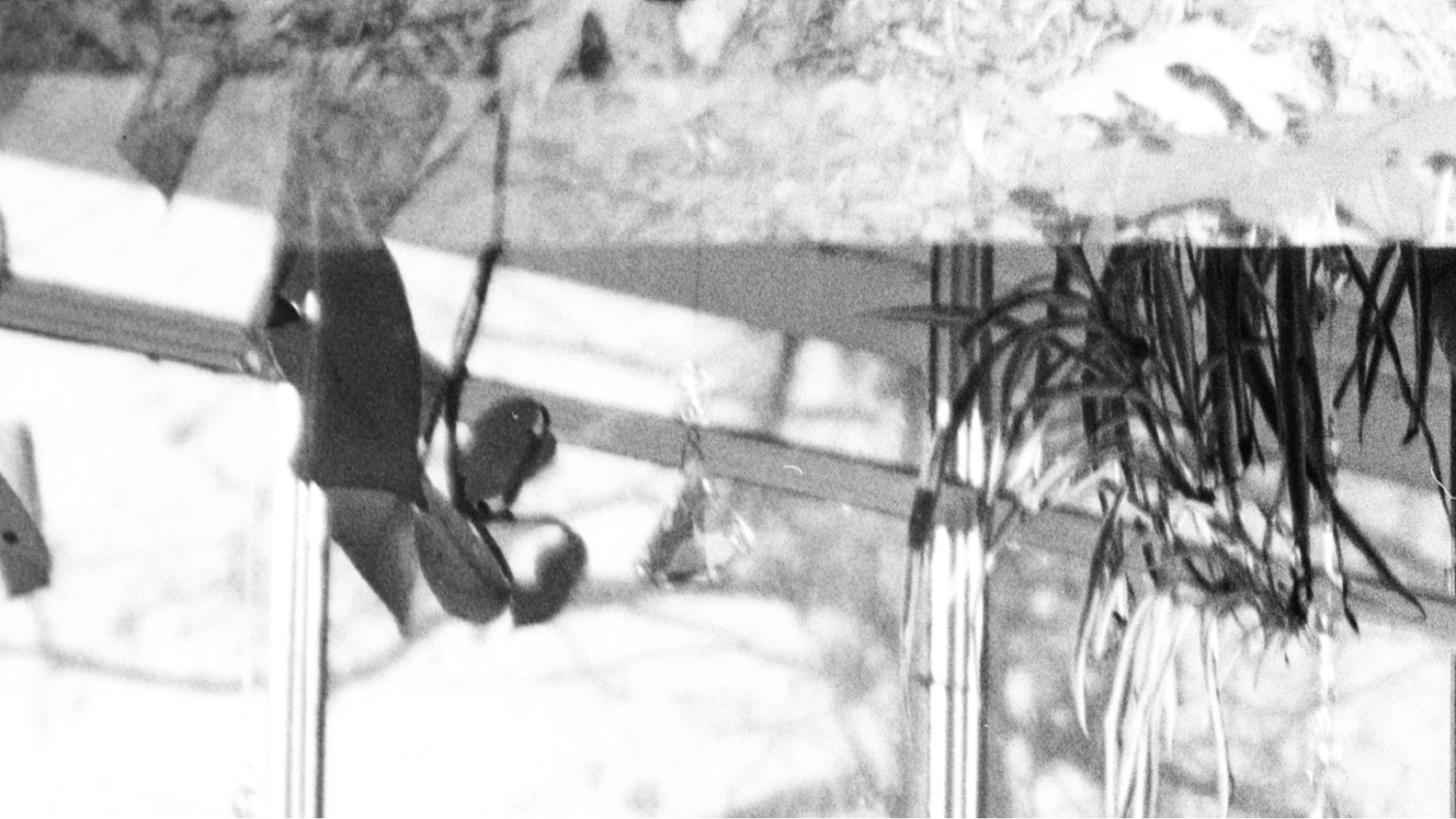
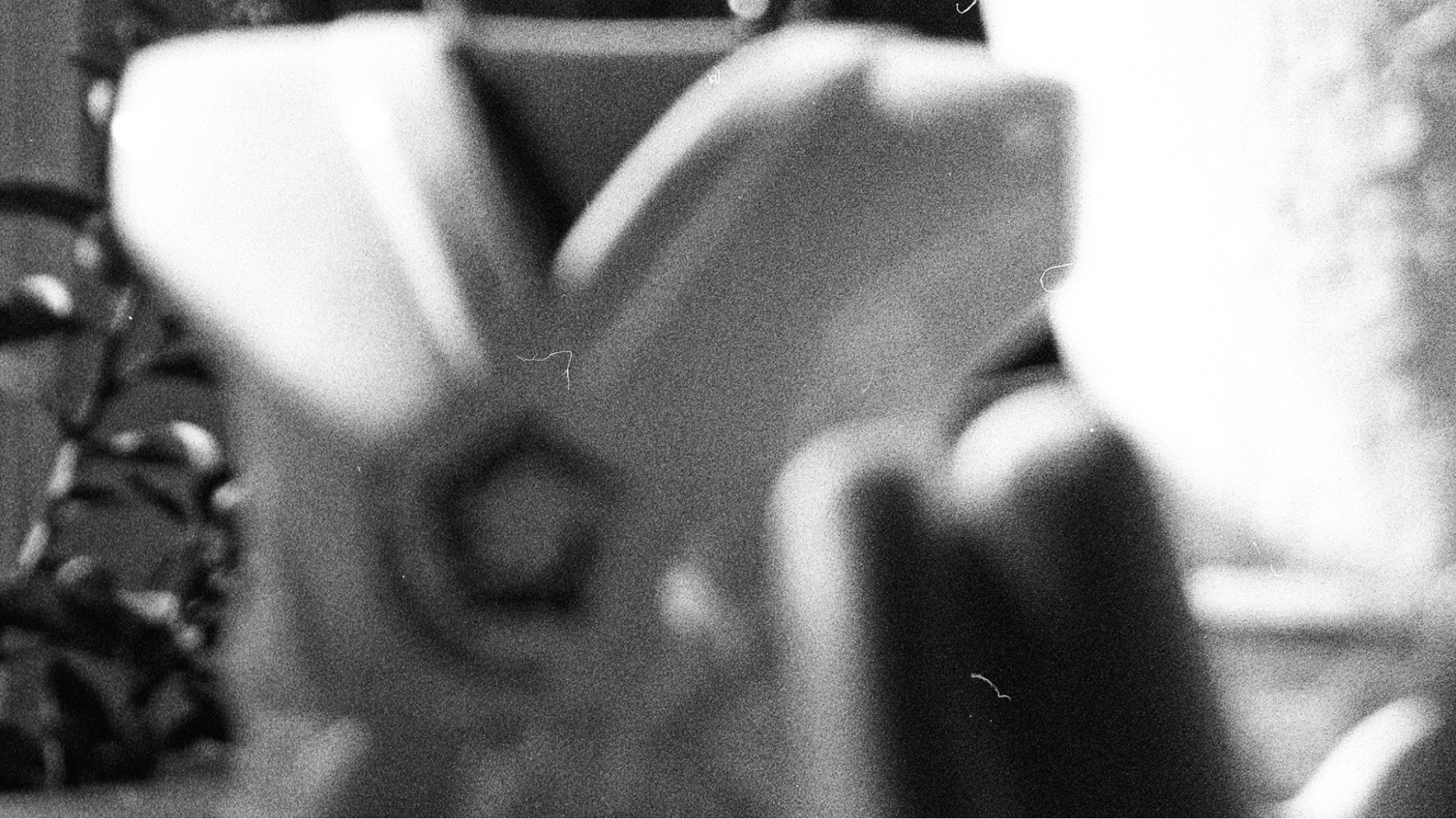
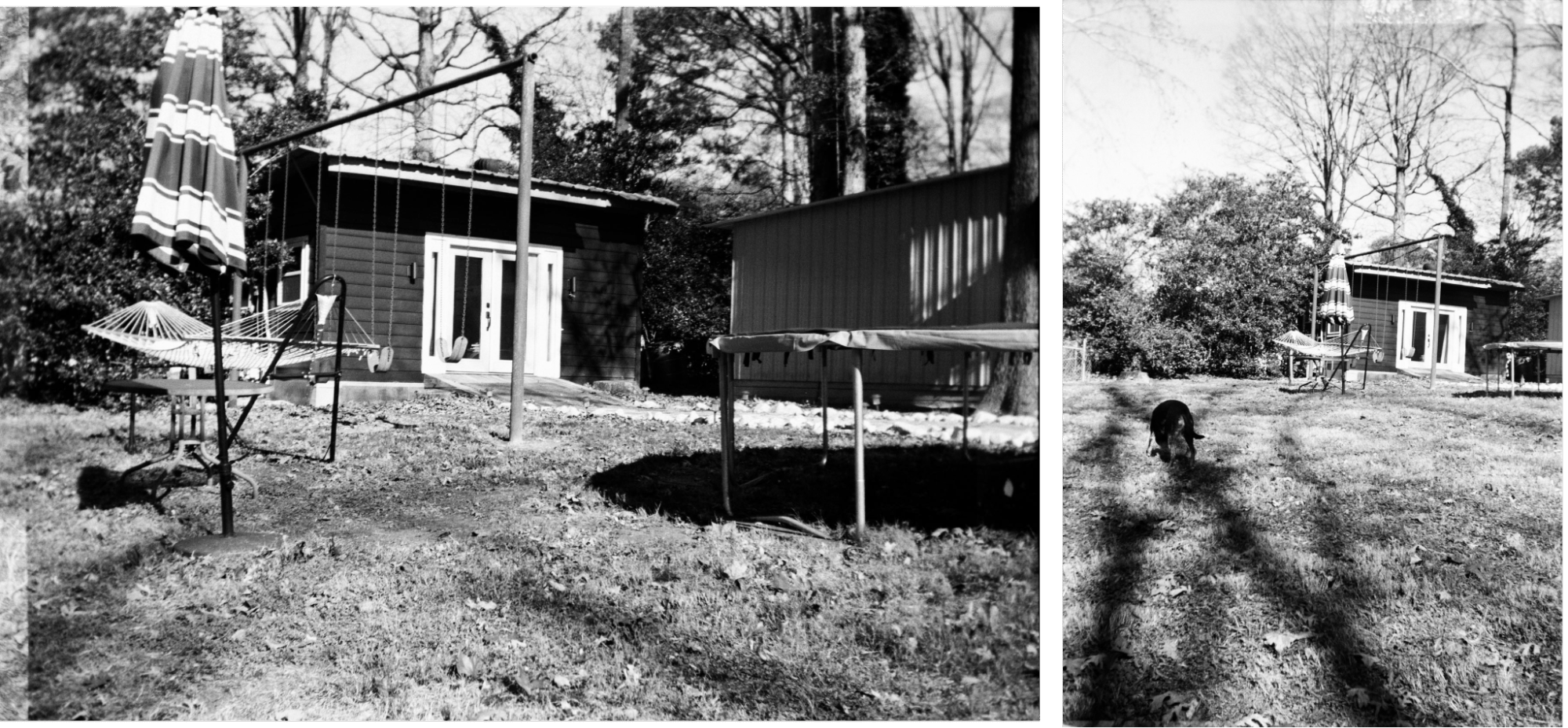
The incredible moment for me was seeing the scans at 100%. The grain is not just an effect. The grain IS the image. The silver particles react to light and chemicals and move and clump, and that is what creates the image.
Unfortunately, things don’t… always… turn out with such beautiful results. See Exhibit A: the photos from around Christmas time from the Kodak Hawkeye Instamatic F, preinstalled with who-knows-how-old-but-at-least-two-or-three-decades-old Kodacolor-X film (a small-format 126 film that is discontinued).
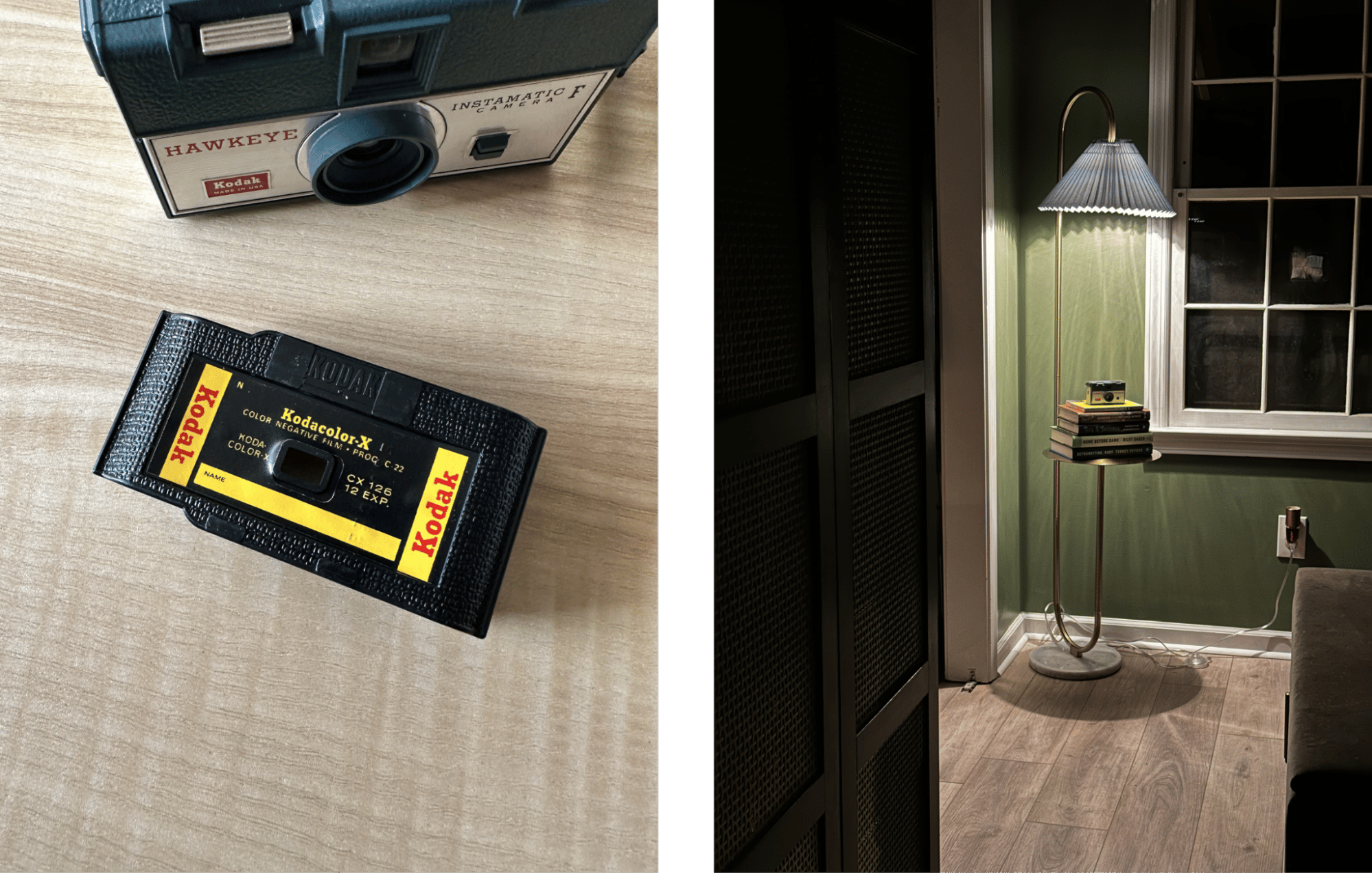

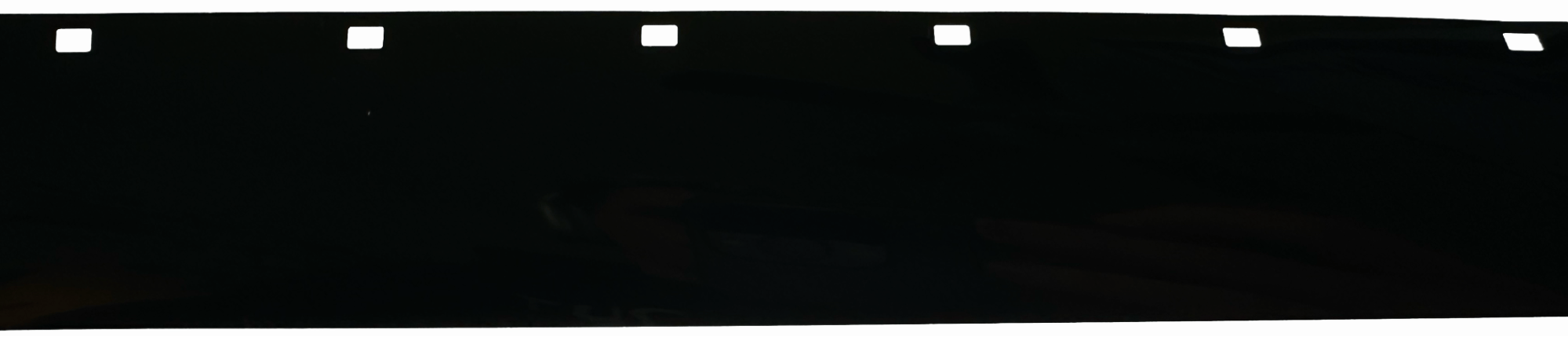
This point-and-shoot is so old that the chemicals used to develop this color film, a process called C-22, have long been out of production, and the only way to get an image out was to develop it in black and white. Even doing so was a crapshoot. Although I had a fun time shooting with this 1960s handheld point-and-shoot that is just so cool-looking, the film turned out completely blank.
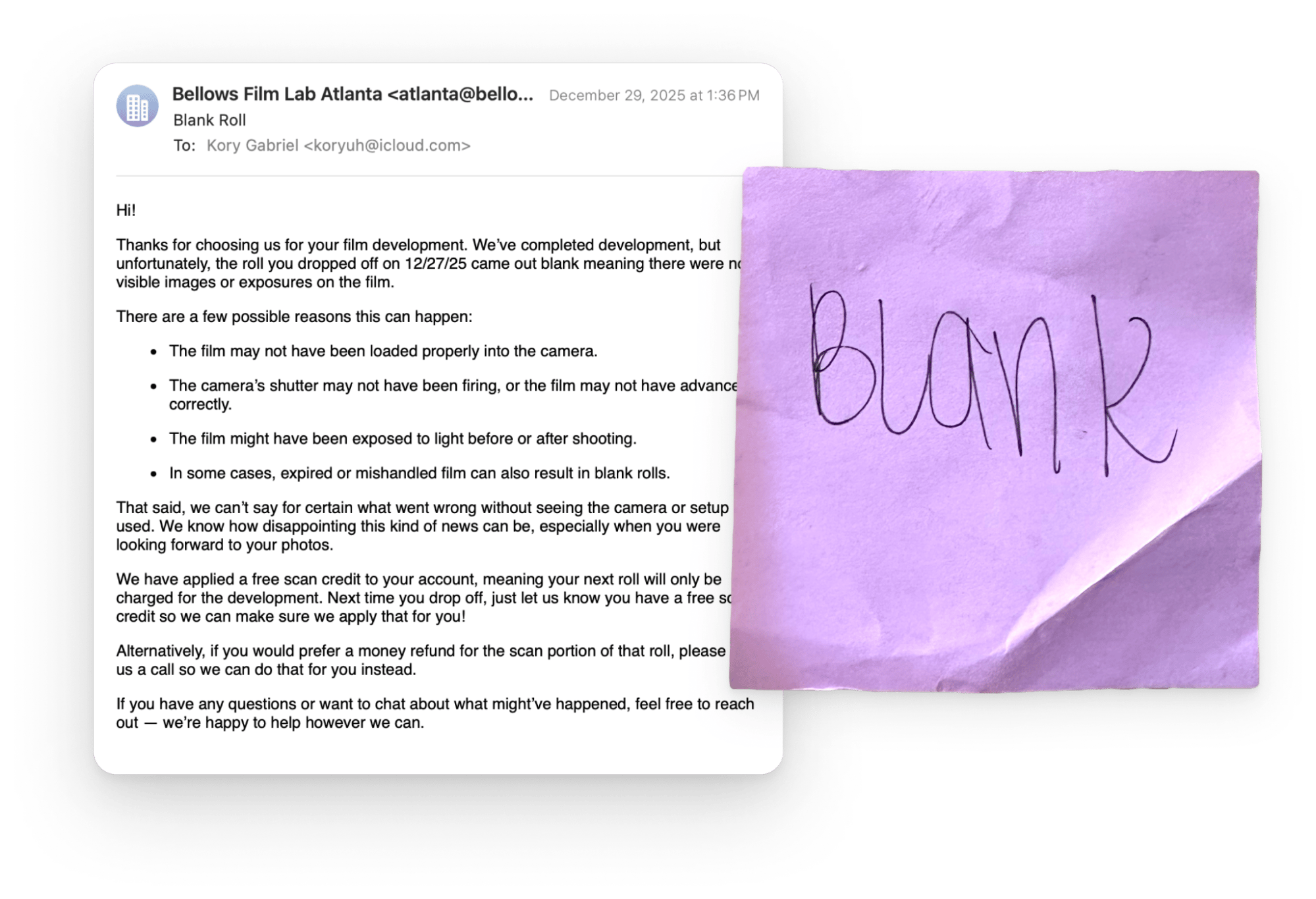
I was devastated and thought it was my fault, or the film lab’s fault, but really — the camera survived a house fire. It’s a miracle it wasn’t lost completely in the blaze.
So, despite not getting images out and knowing this film isn’t produced at all anymore, it was my only shot, the practice of the craft allowed me to see how much of a chance this whole slow hobby is. I also learned all kinds of other jargon, like
black and white • color • cn41 • c22 (obsolete) • e6 • process • negative film • reversal film (slide film) • push • pull • stops • sunny 16
Once the first sting of a failed film roll faded, I went back to the Ansco Shur Shot and played with some different types of film, including a roll of color reversal film, Kodak Ektachrome E100, and another roll of black and white, Ilford Delta 100.
I felt more free, especially on a family trip with a precocious five-year-old cousin who wanted to take photos on this old box of a camera. Beckett wanted to take photos of everything and wanted to crank the dial to progress the roll of 120 to take the next exposure. The fun part of 120 is, if you don’t crank it far enough, you can get really cool overlapping photos.
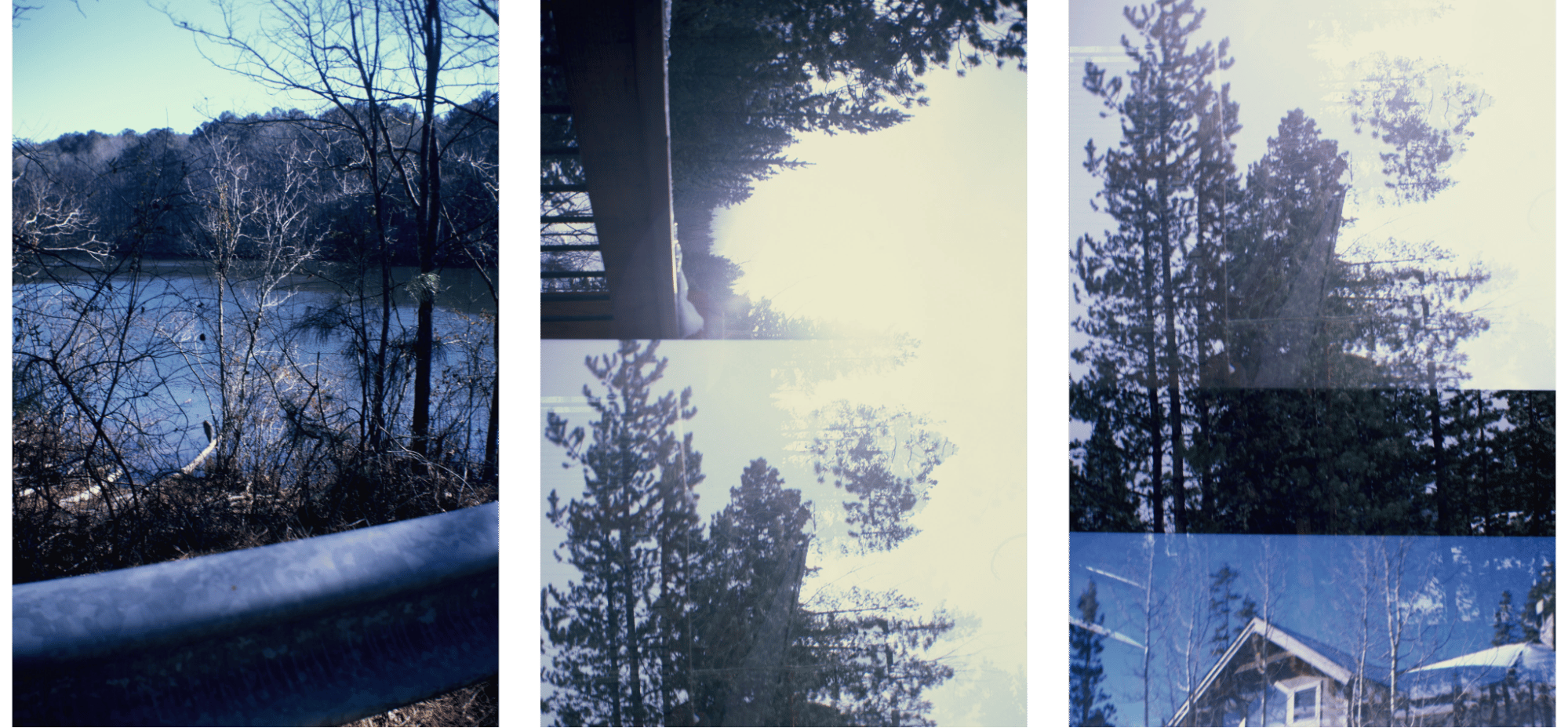
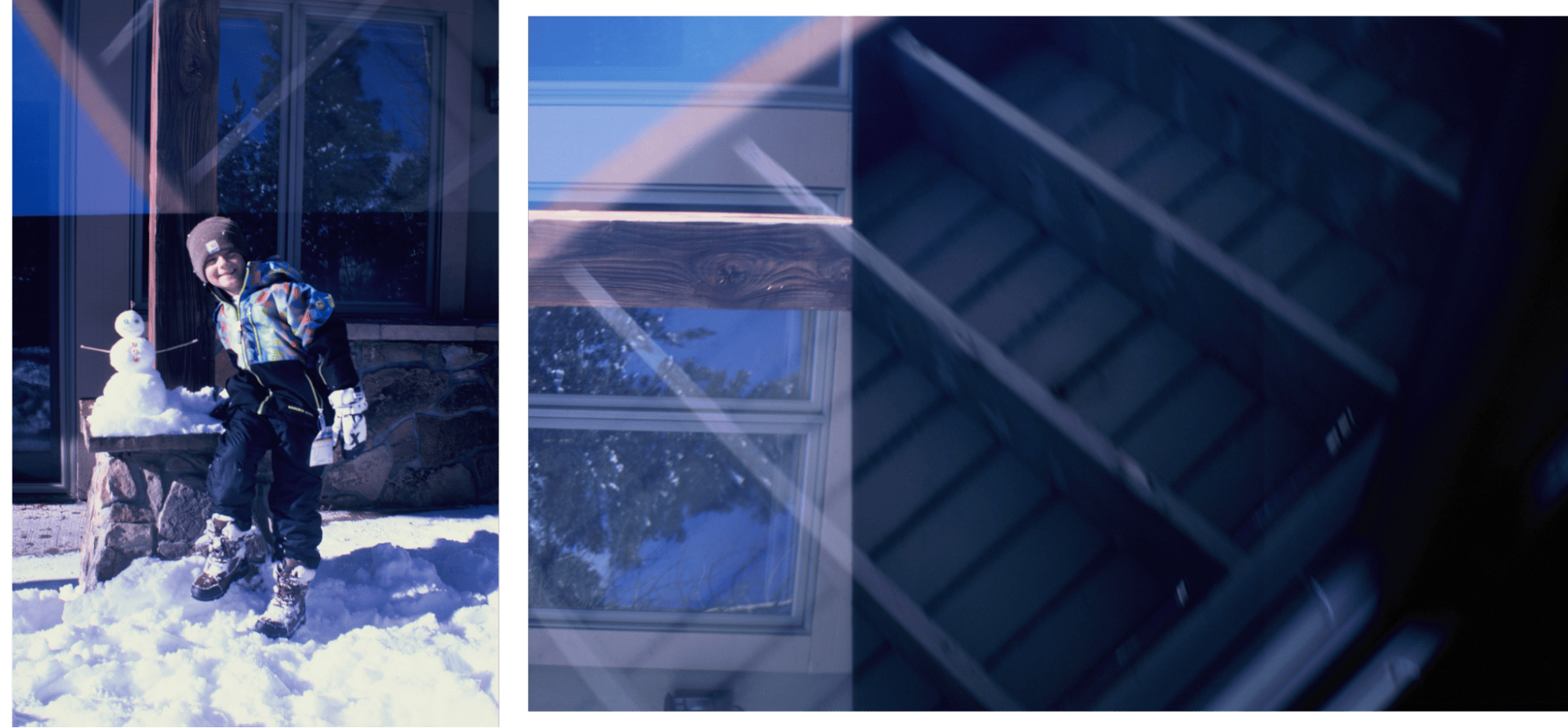
And with this old camera, there is only one shutter speed. Only one aperture. Only one setting. That’s it. So you can play with the imperfections of motion to really make these photos feel alive.
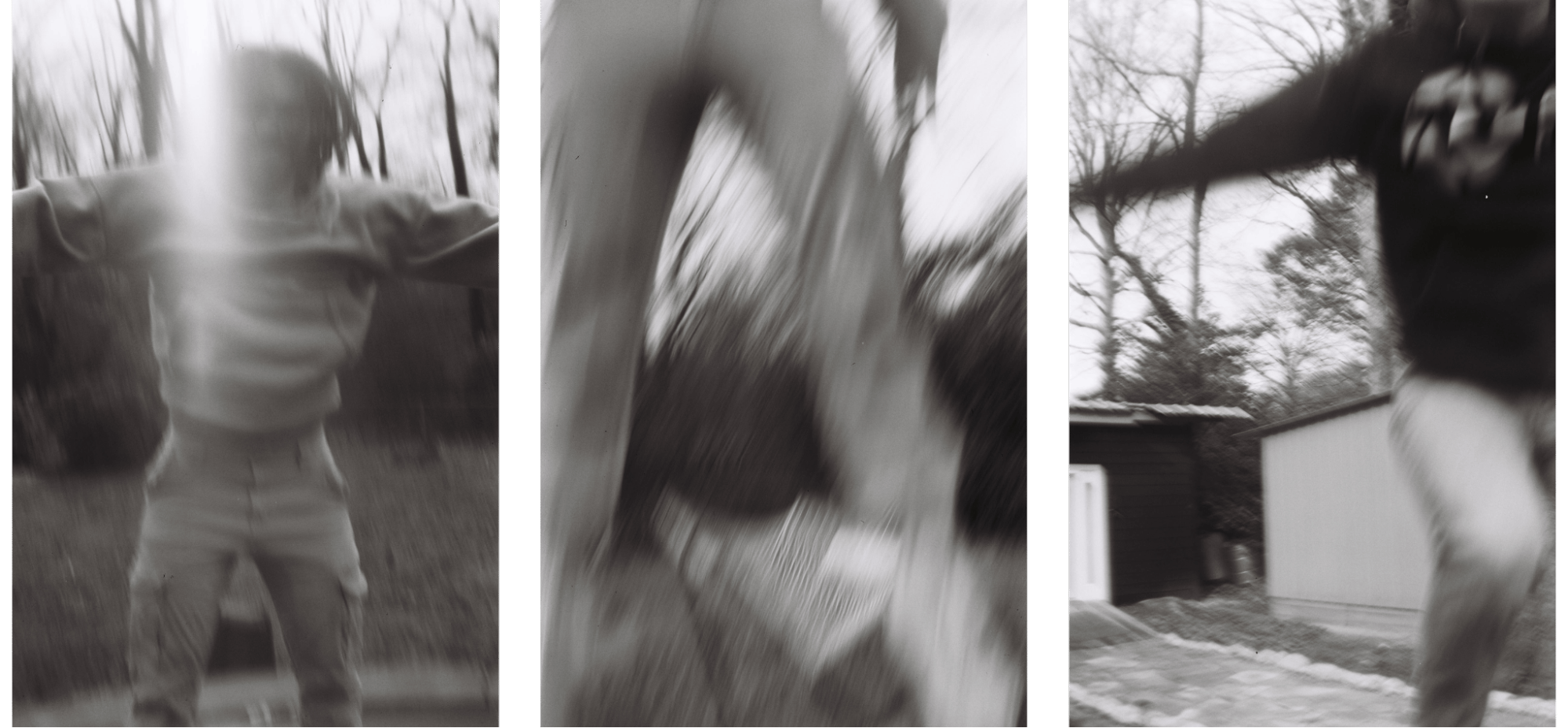
While these vintage cameras were great, they had their limitations. The small exposure count on 120 rolls with the Shur Shot would let me take about six to eight photos max if I was really good with cranking the roll correctly. The Hawkeye was pretty much one-and-done because 126 film was discontinued, although I did consider some aftermarket independent shops producing their own 126 film and 35mm→126 film adapter cartridges.
So, enter my new baby, my Canon Canonet QL17, delivered via eBay all the way from Japan! This camera is from the mid-to-late 1960s and is a 35mm rangefinder. It’s a camera with a fixed lens (no zooming, no taking off and putting on a different lens) that lets you control aperture, shutter speed, focus depth, self-timing and light metering! As a rangefinder, I learned that when I look through the viewfinder, it’s slightly offset from the actual lens, so there is a little frame inside to show you what part of the image will actually be captured on film. Compared to an SLR, which typically lets you see exactly what the lens will capture.
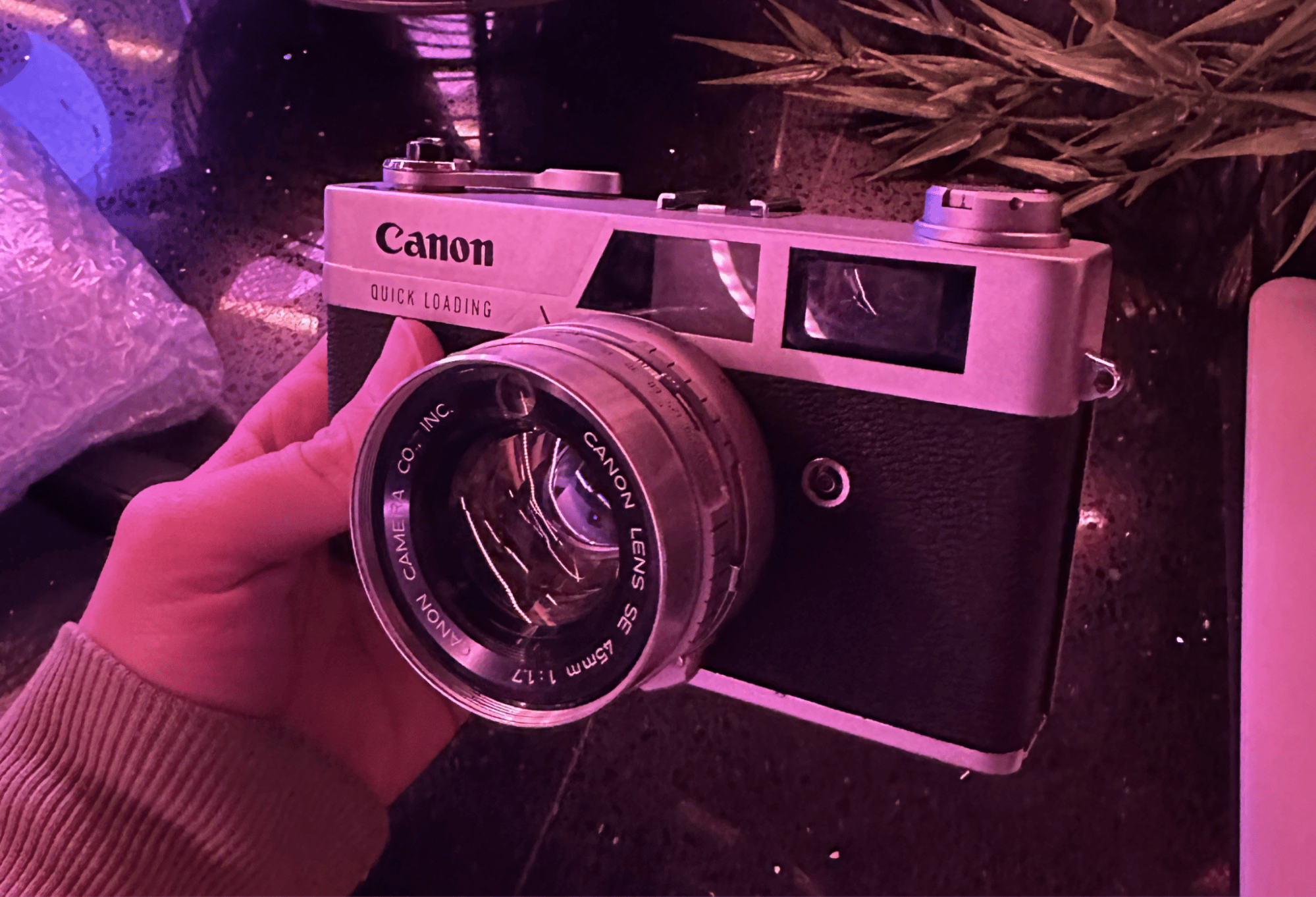
Aside from the baby disposable cameras I used as a child, this was my first 35mm camera, and I fell in love with this honking, heavy metal-and-glass block — magic encapsulated.
Enjoy the highlights!
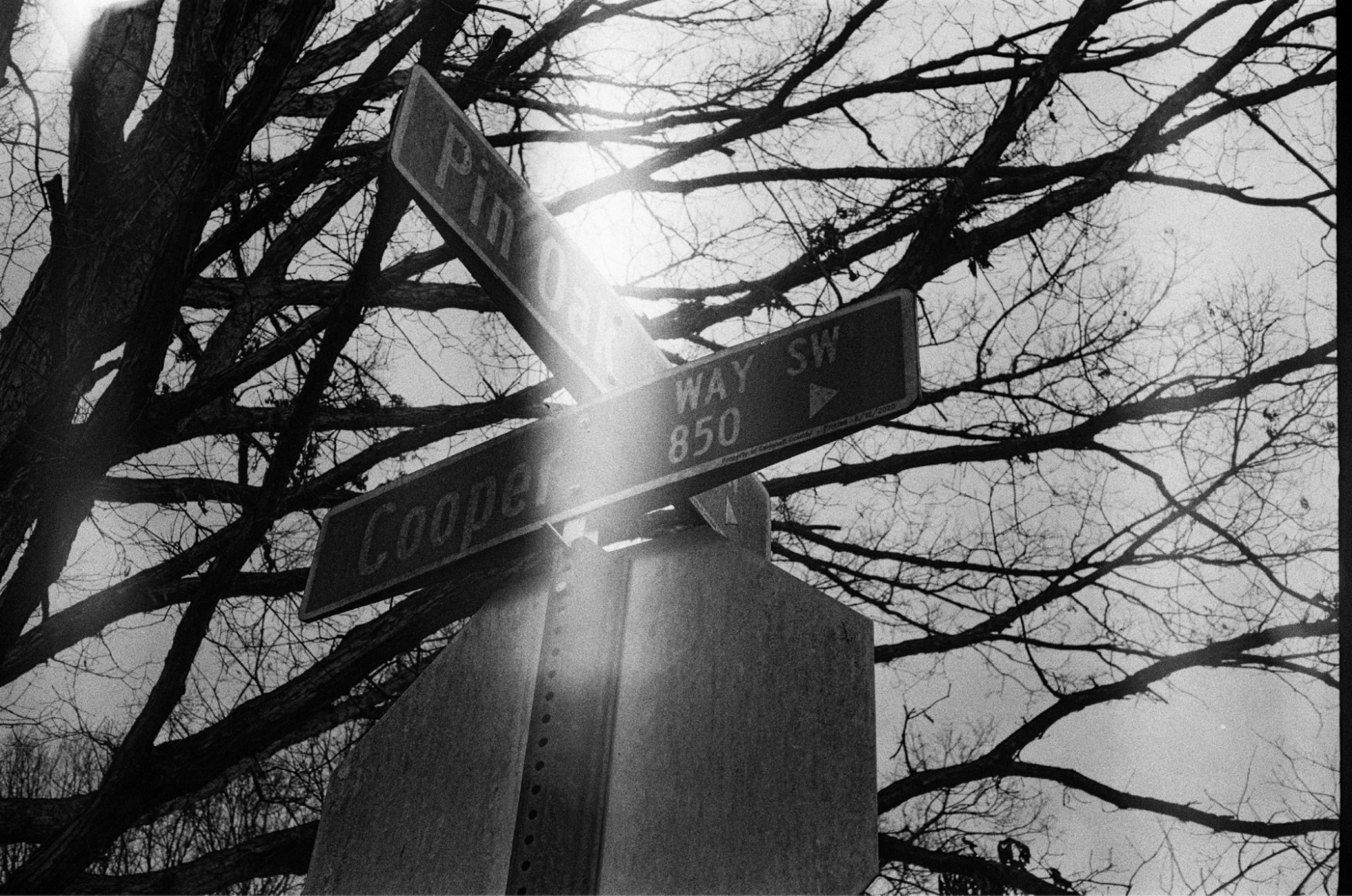
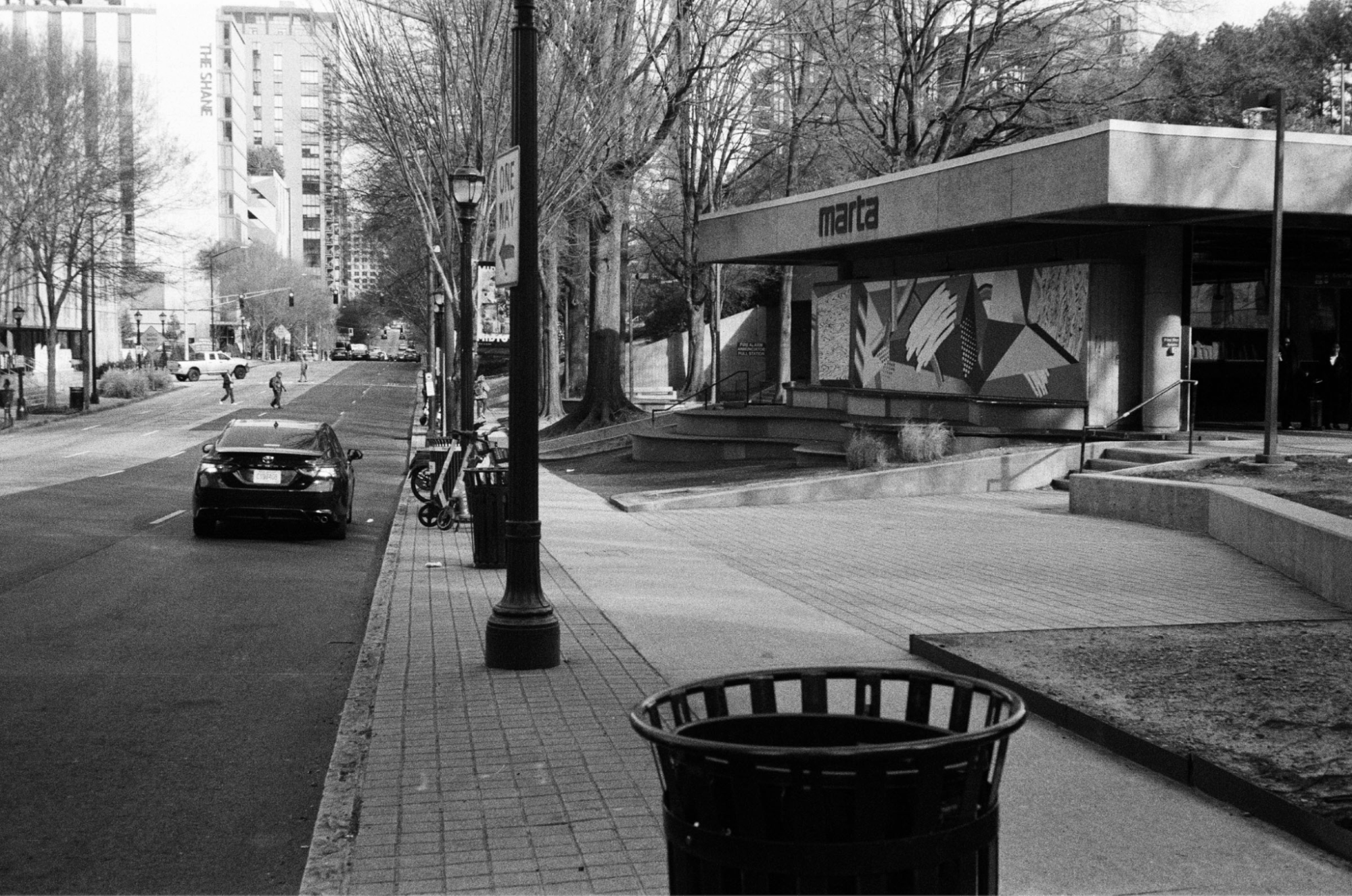
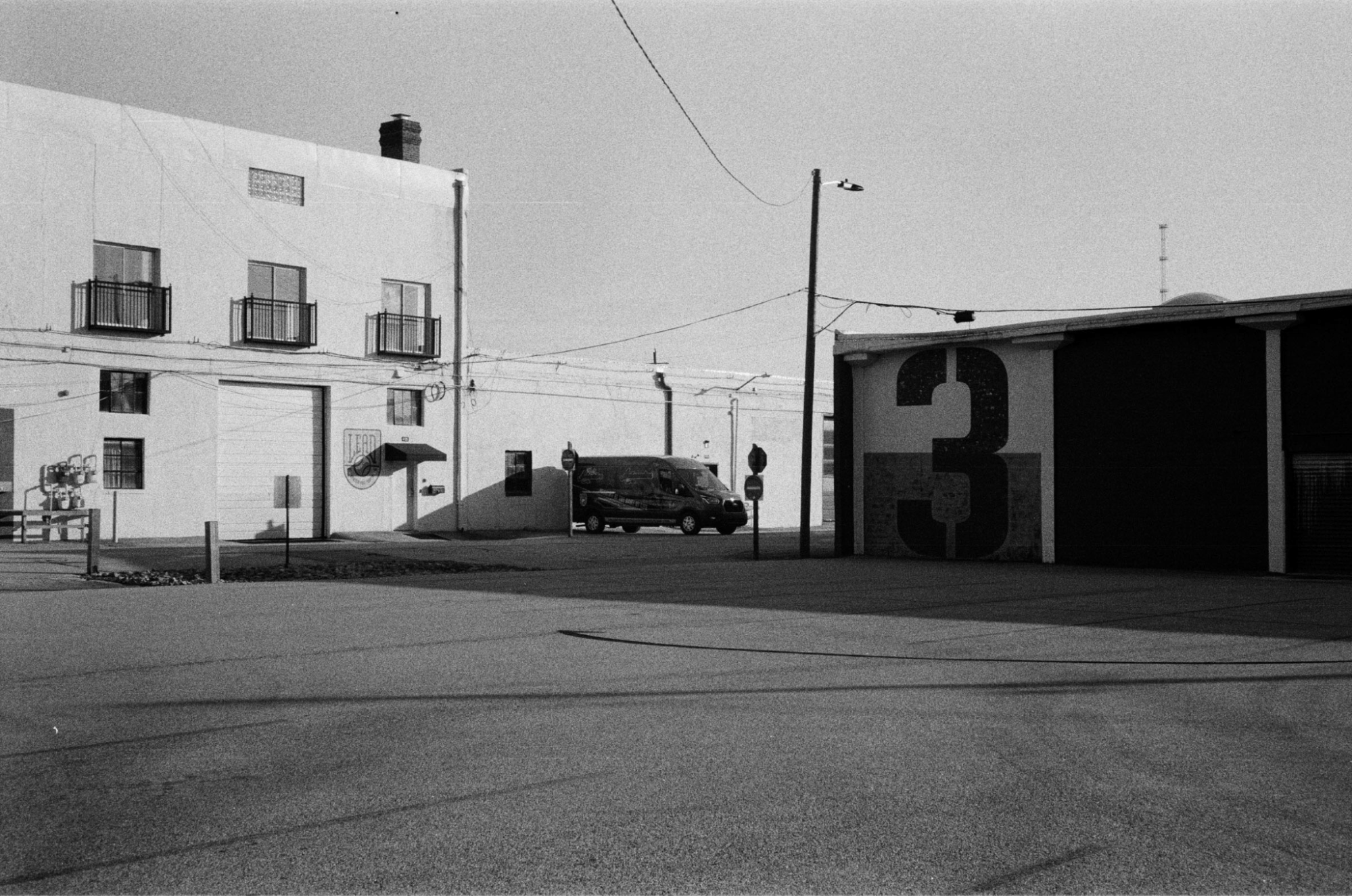
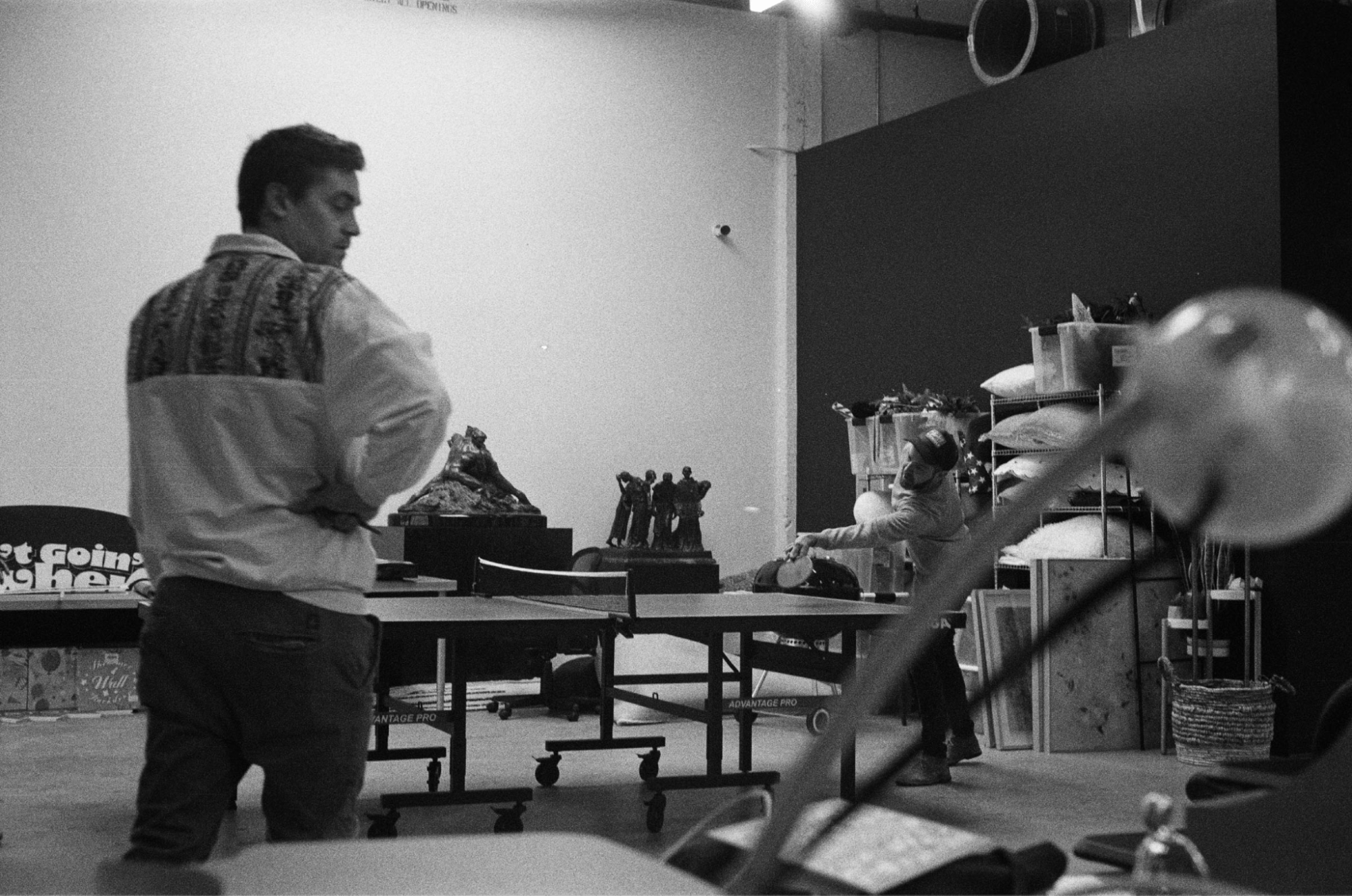
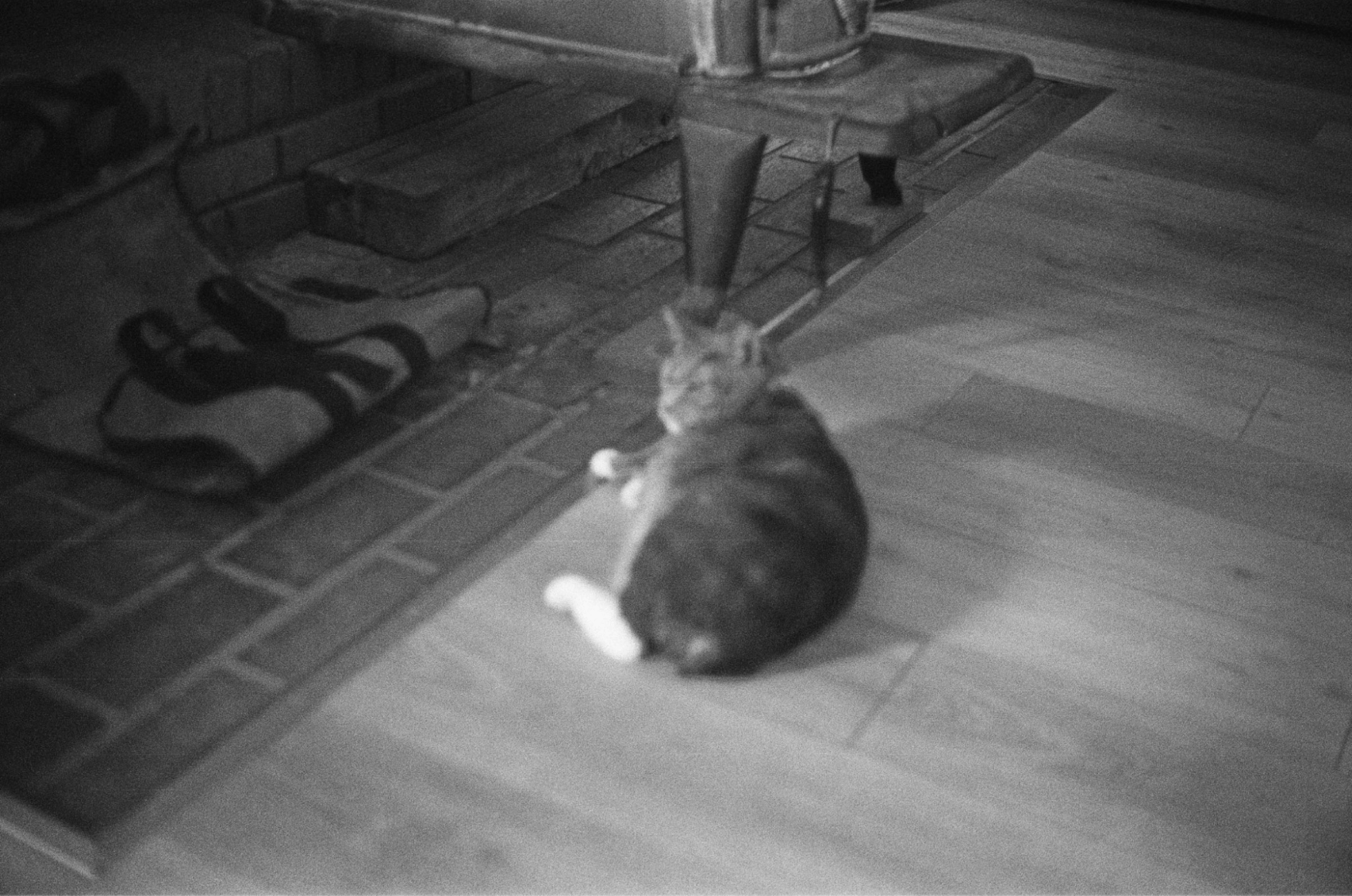
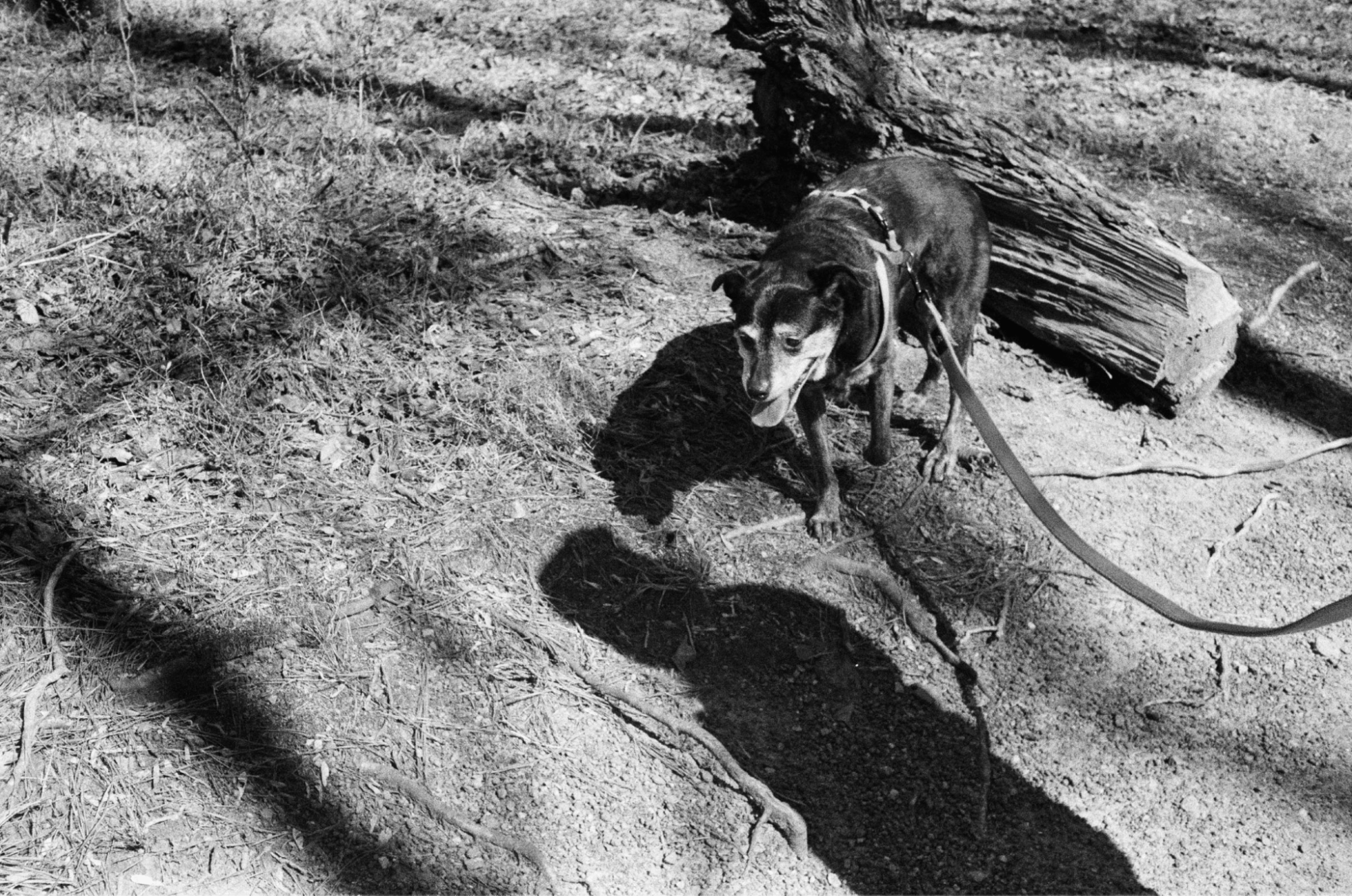
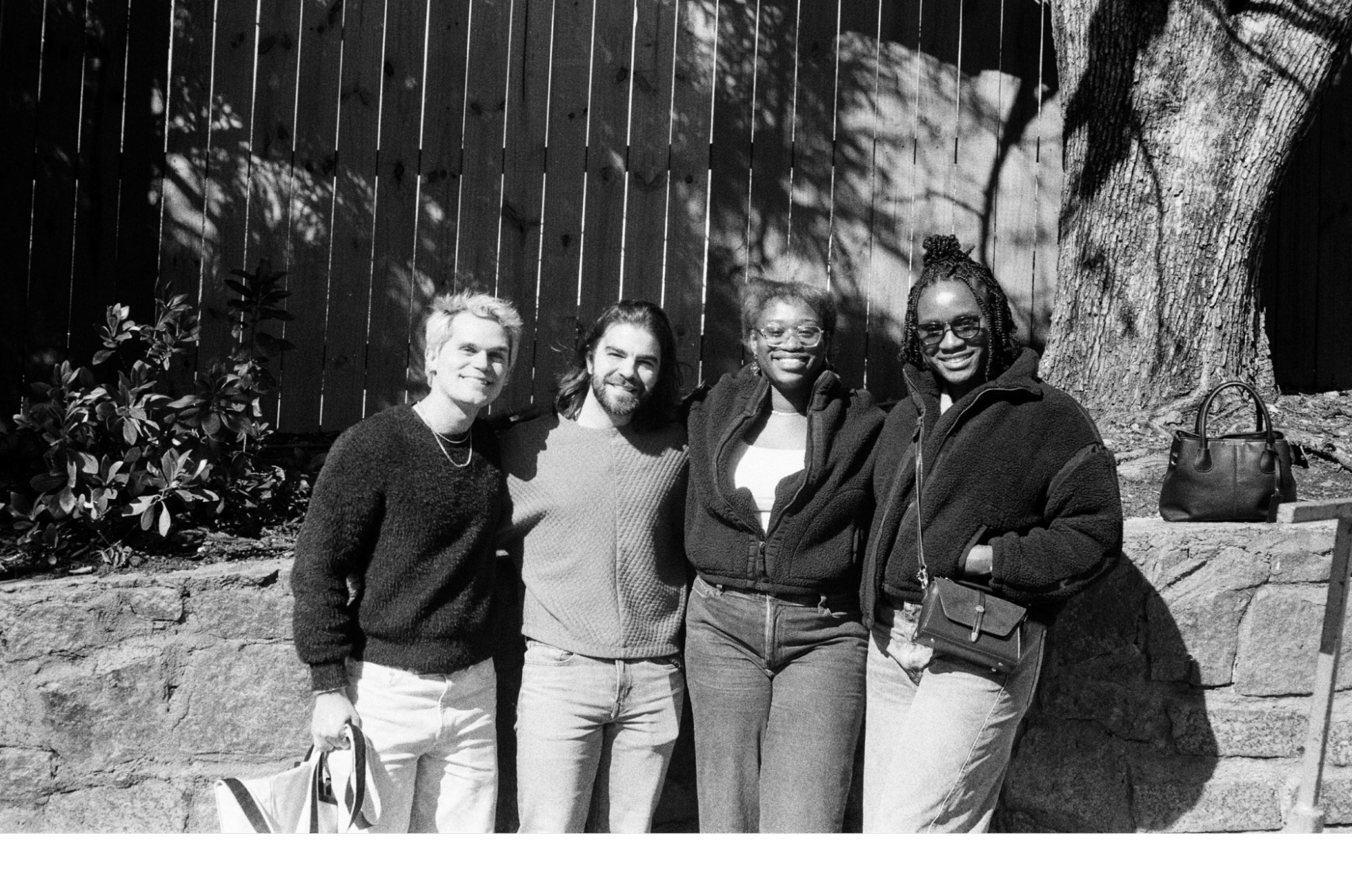
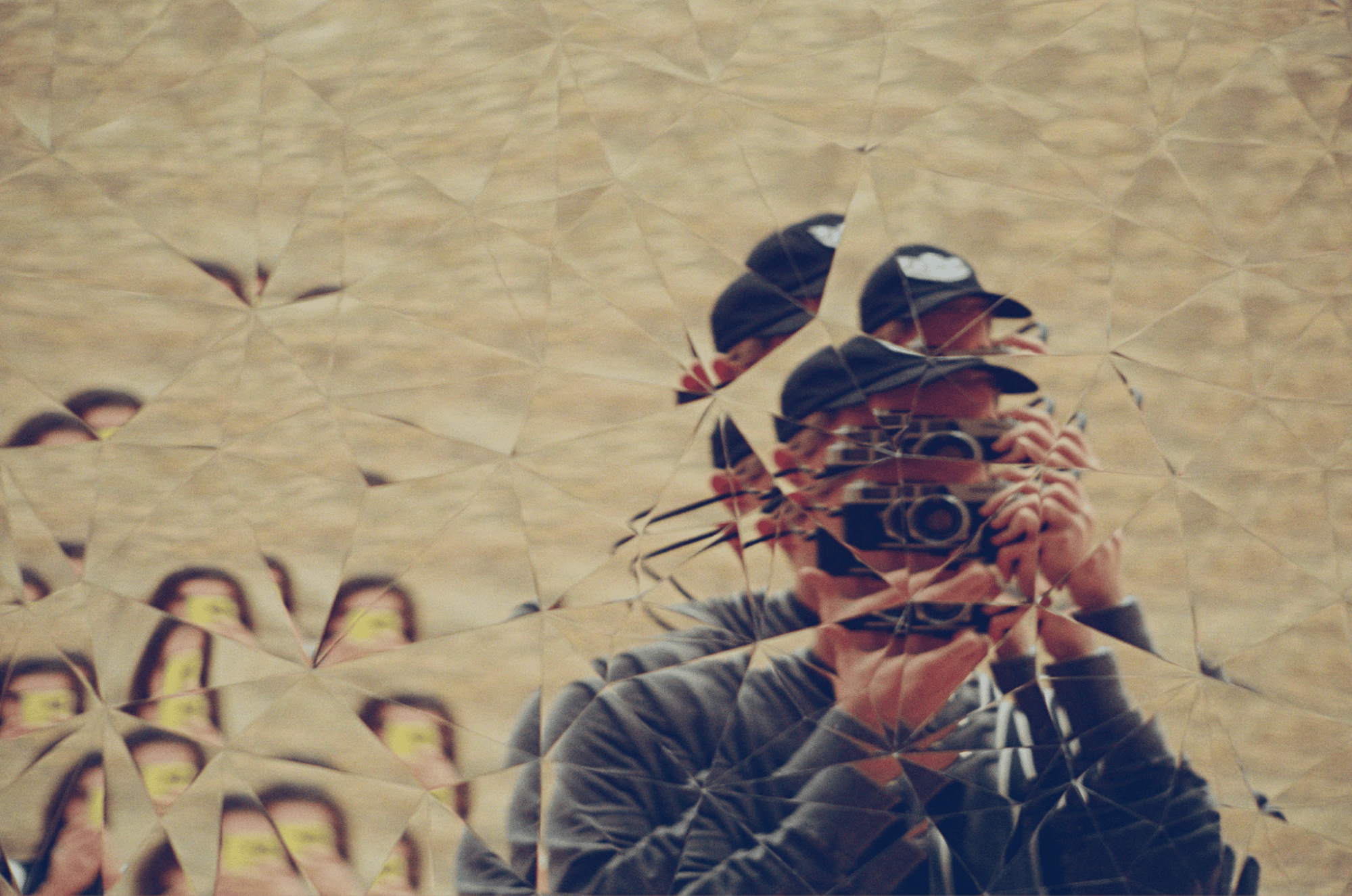
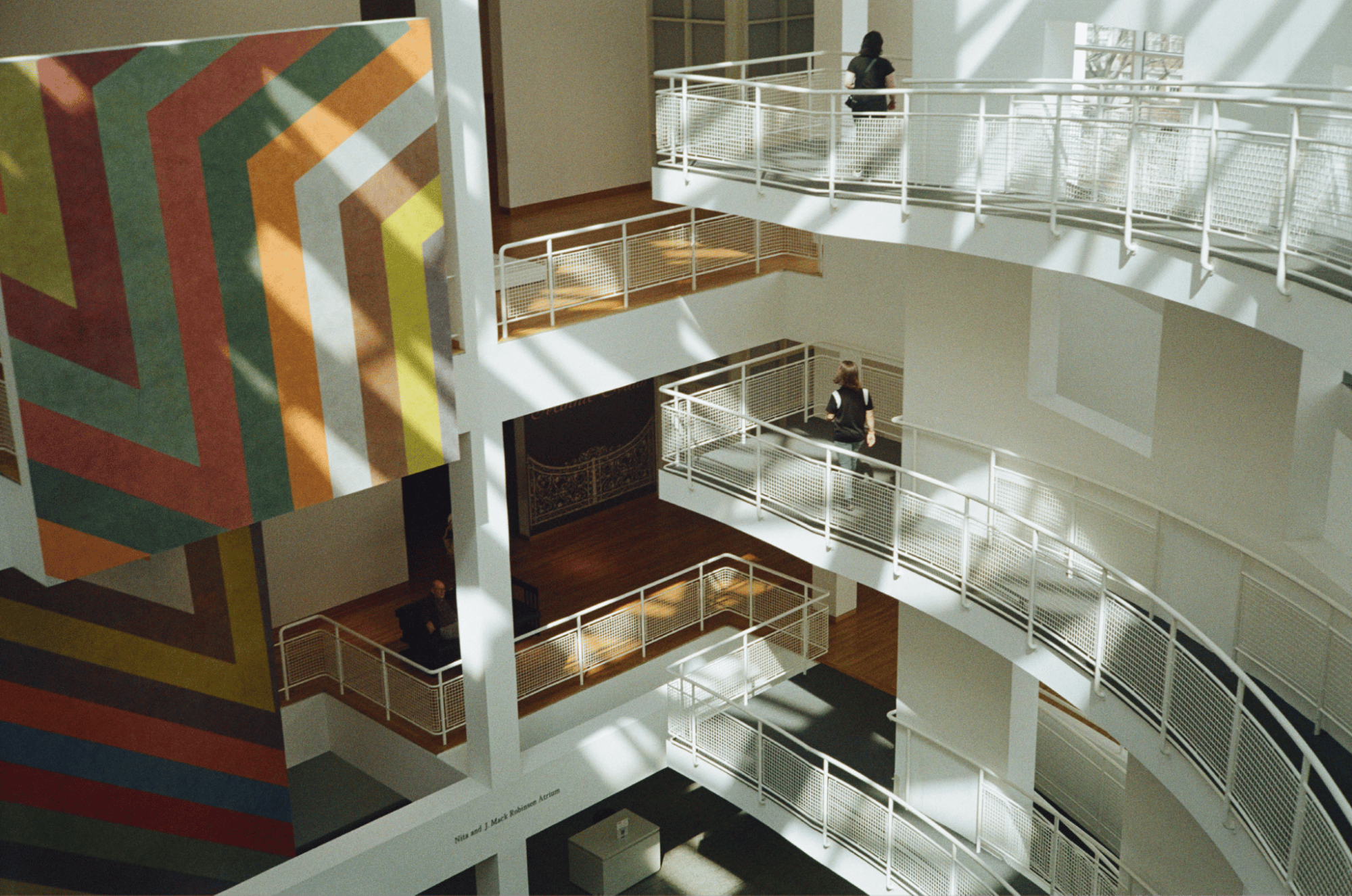
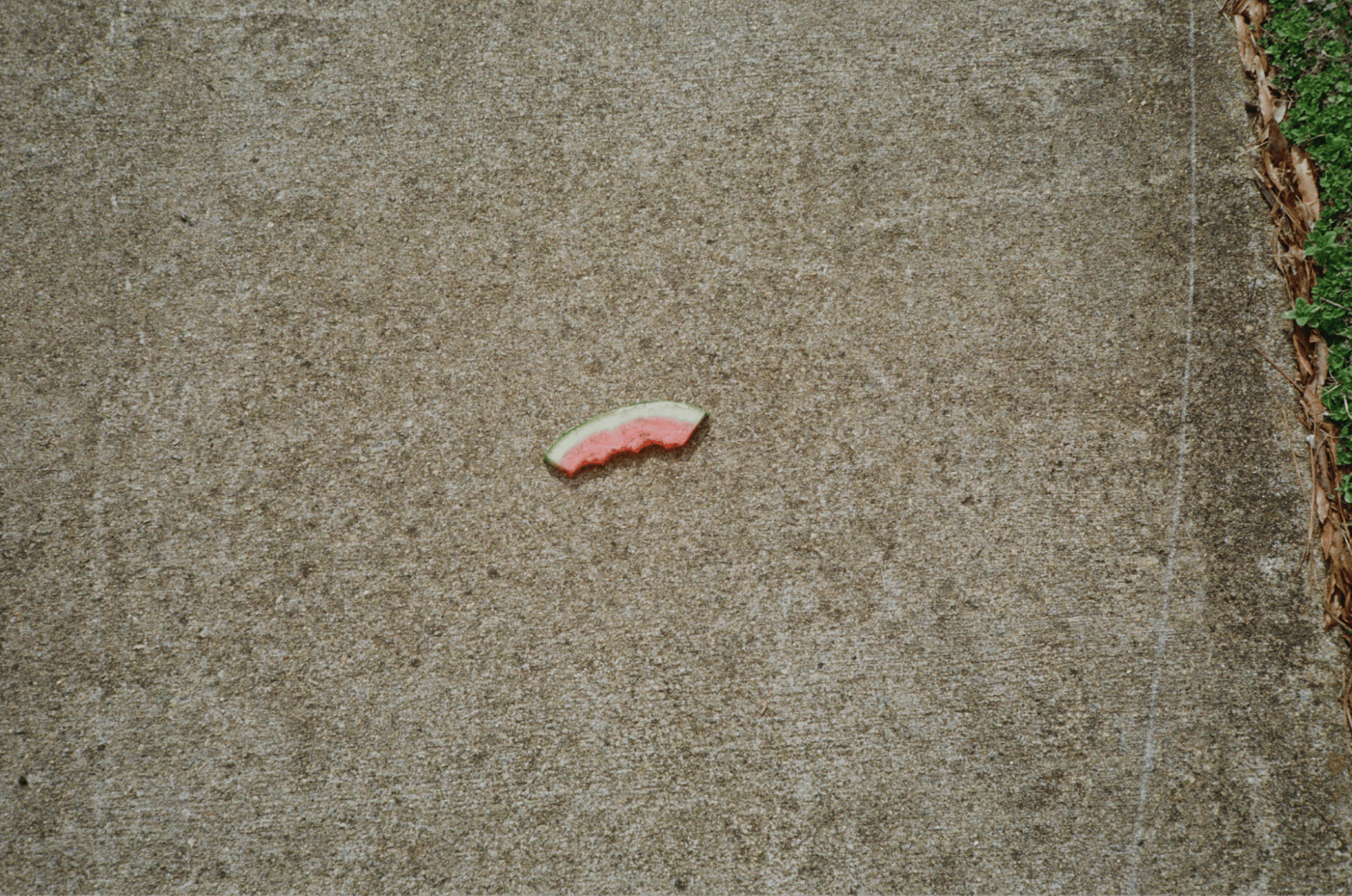
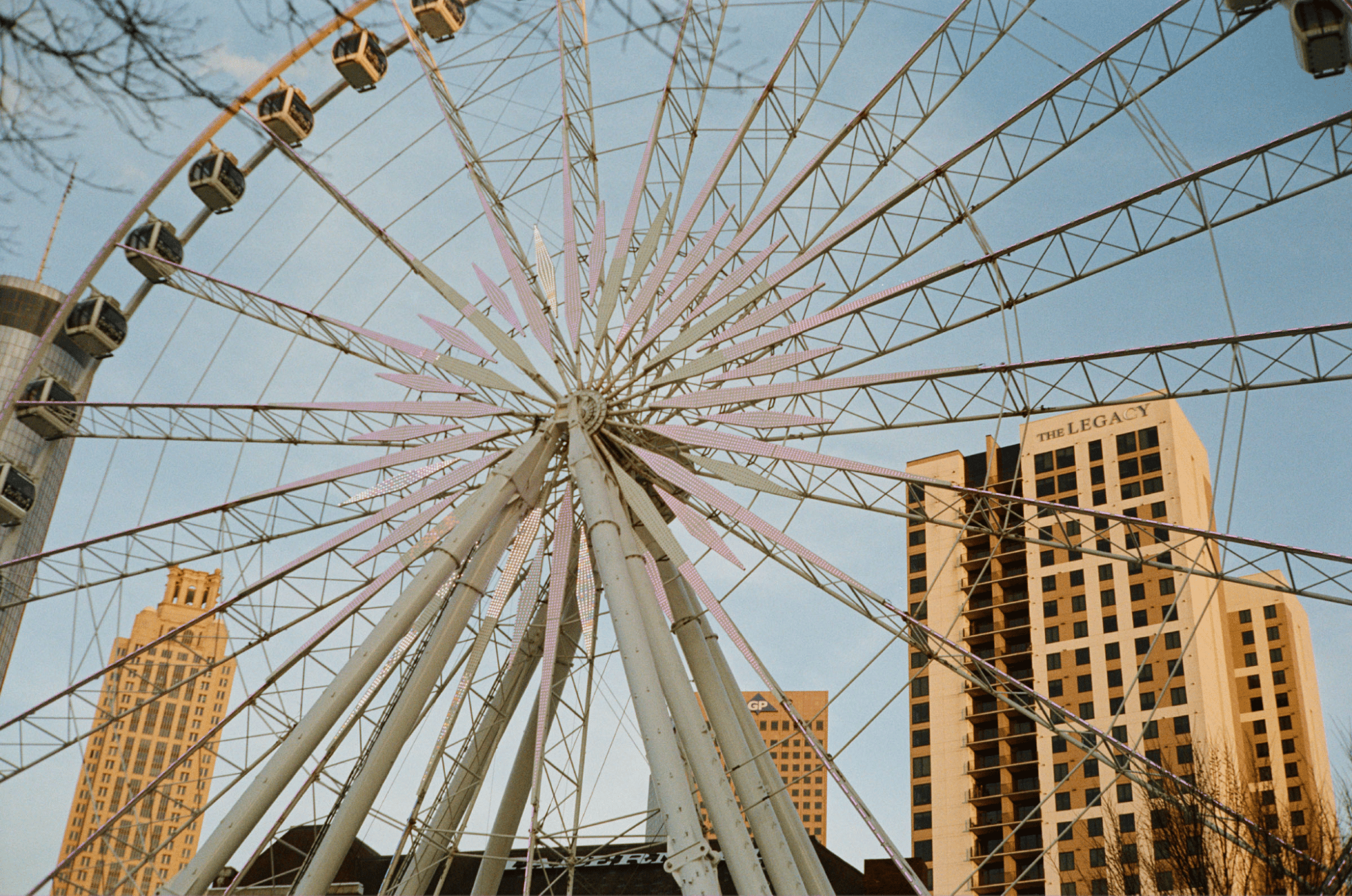
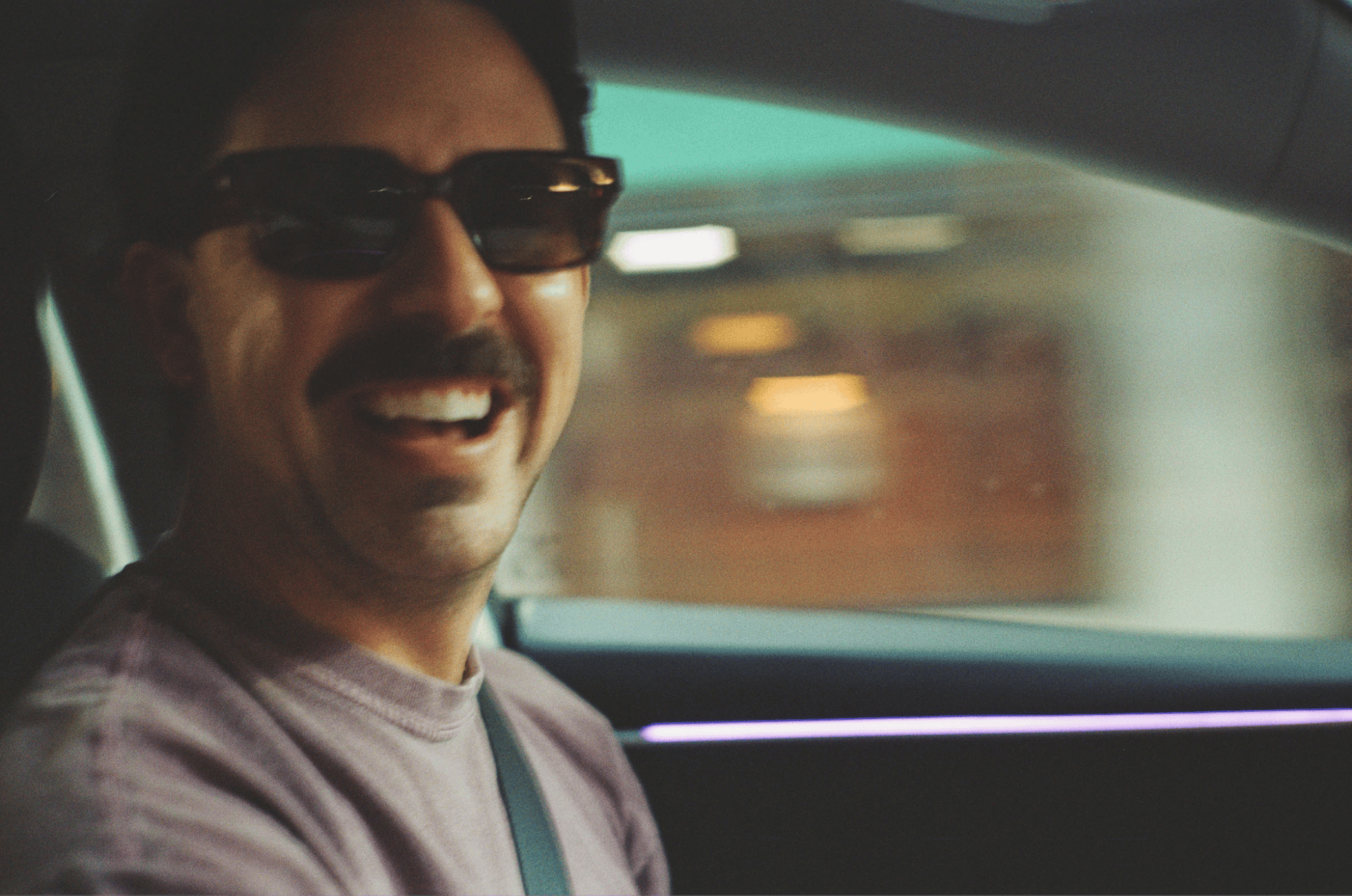
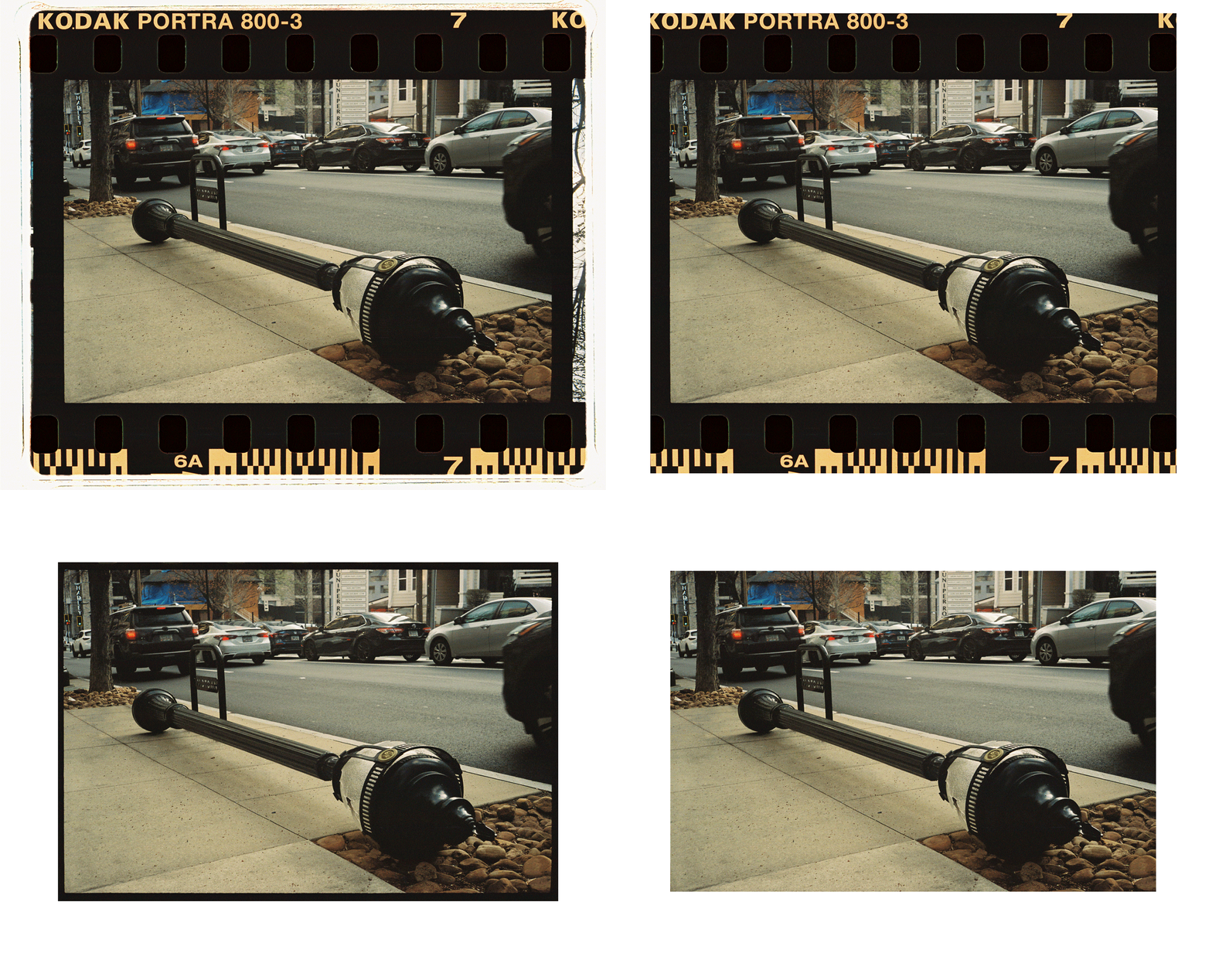
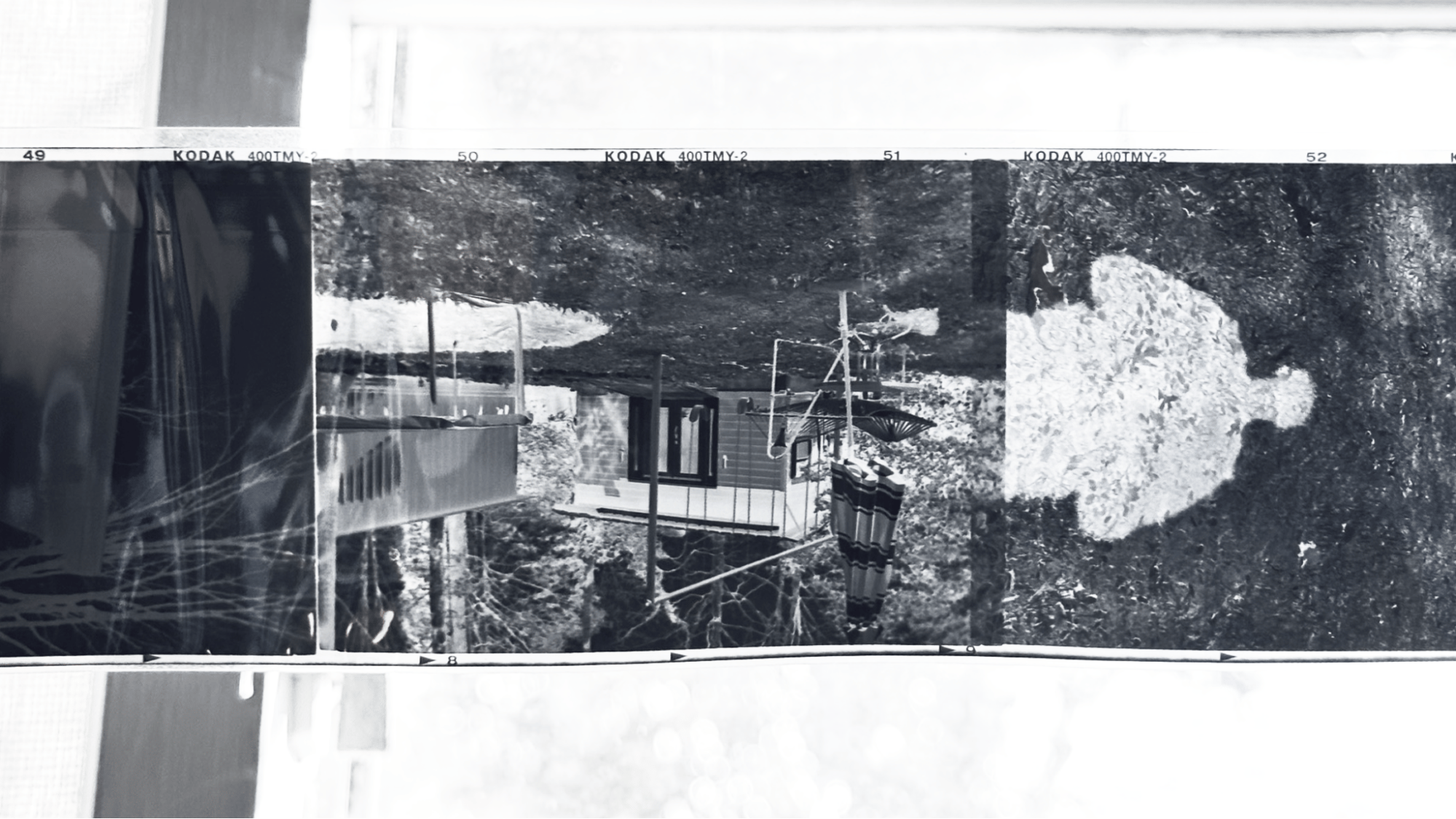
One of the more fun experiments I tried was exploring the different scanning techs available at my current regular shop, Bellows. Depending on the scanner or the technique, you can get overscans (manual hand-scans that show the edges of the 35mm film, including the perforations or sprocket holes) or regular scans, like these scanned on the Fuji scanner.
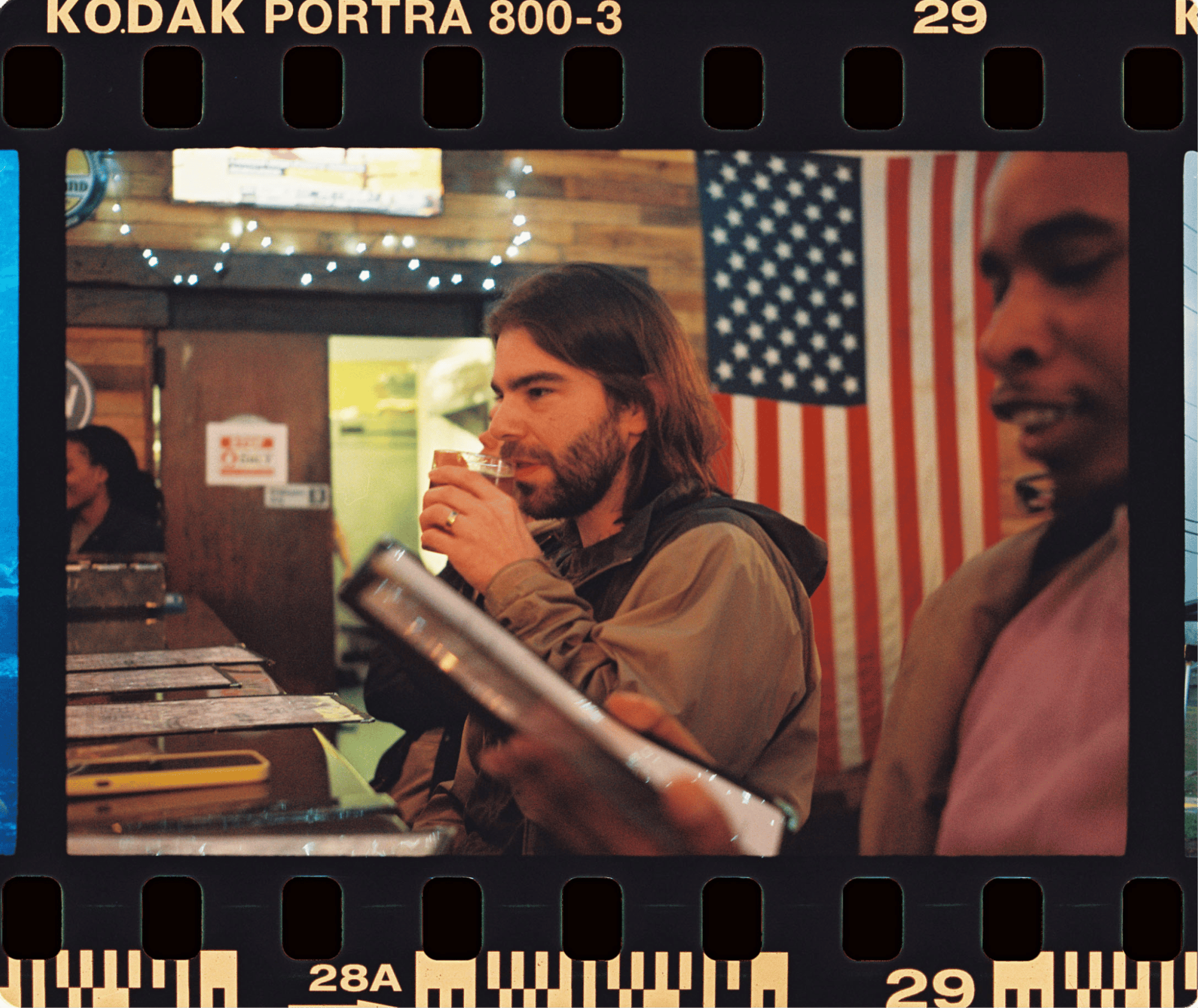

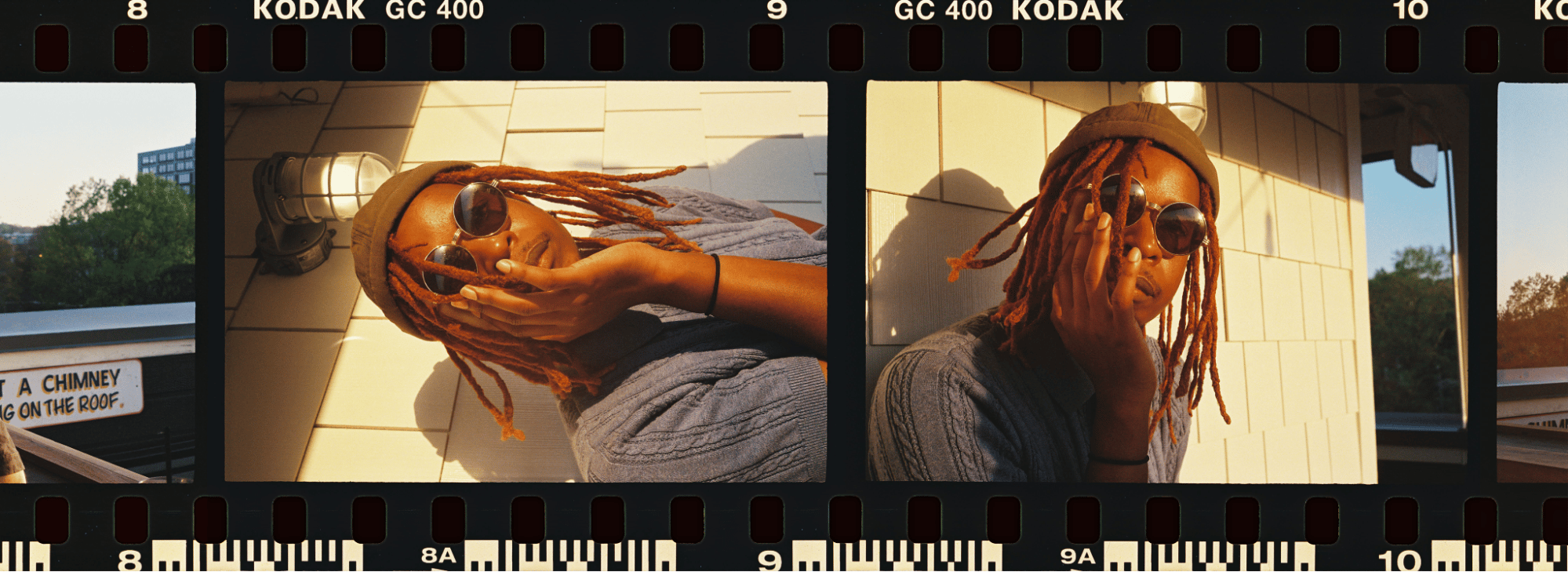
By getting overscans, I could also manually “restitch” the photos to create an editorial/magazine-style strip that mimics a real roll of film, with all the images gathered side by side.
I was also curious how Fuji scans vs Noritsu scans would work on color and black and white, from first-hand experience, rather than anecdotal notes in the shop.
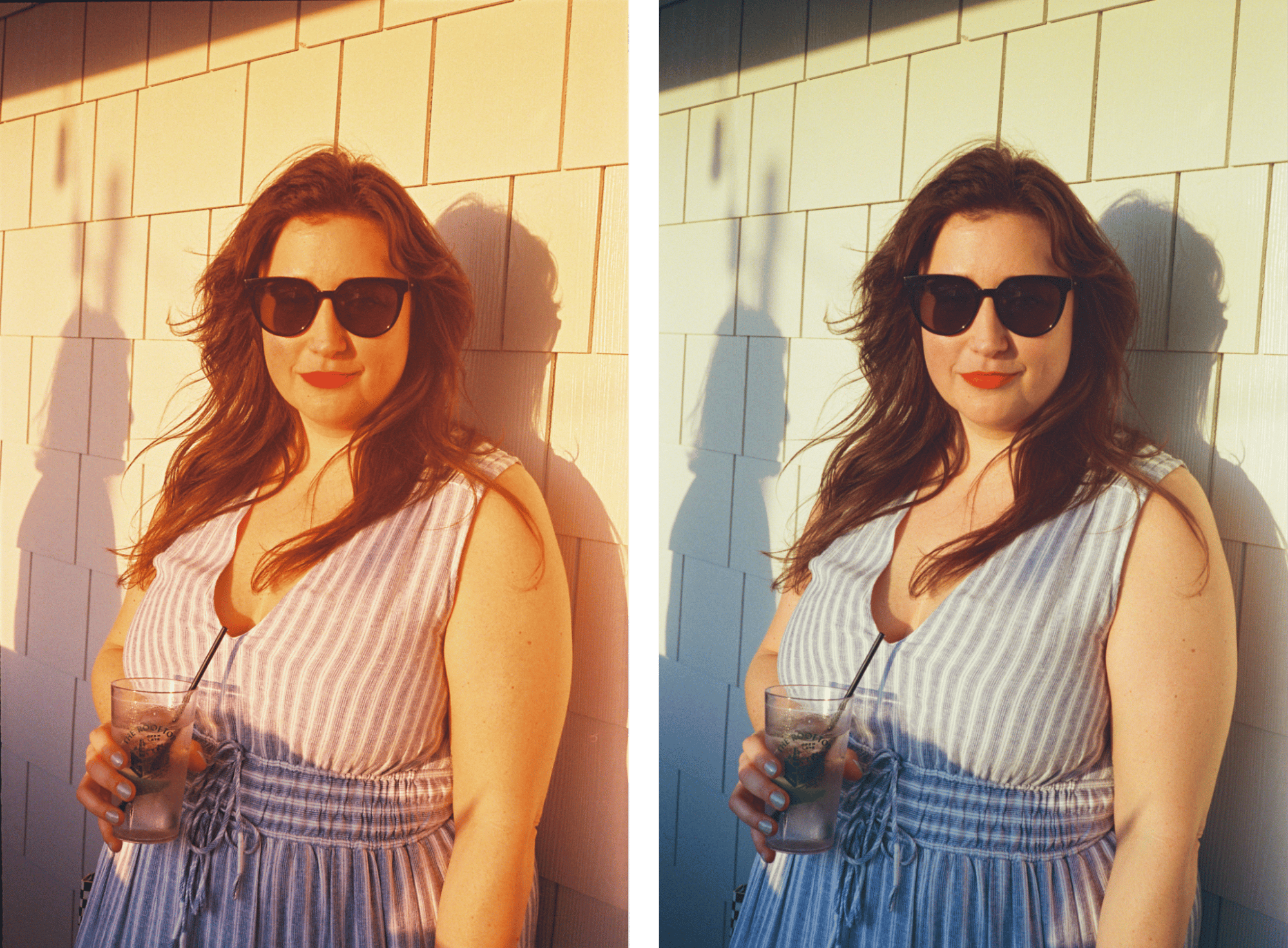
Fuji (left), warmer color. Noritsu (right), cooler color.
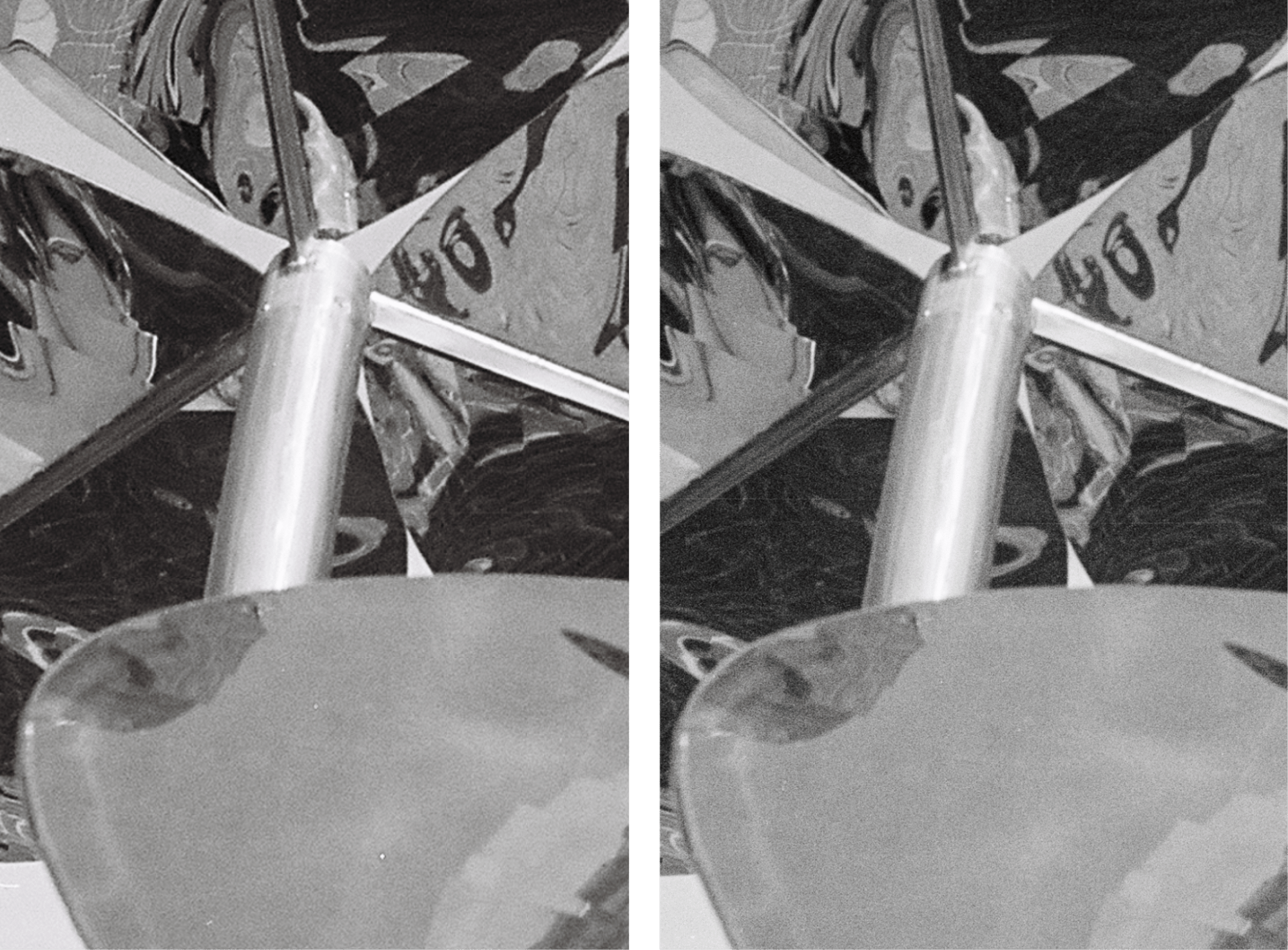
Fuji (left), lower resolution, softer grain. Noritsu (right), higher resolution, sharper grain.
hand scan • Overscan • Fuji • Noritsu • Cropping • Control • Color • Grain • Dpi • latitude
While this is still a personal and fun hobby for me to enjoy and get away from the hours and hours of computer work that most of our jobs have become synonymous with, I do think it is indicative of the larger zeitgeist, as mentioned earlier. The people, and the creative industry overall, I think, are yearning. For a softer world. The surge of vinyl record sales, despite the constant chart-topping on streaming. Handcrafted goods and vintage shops. Hollywood reboots for TV and movies, shooting on film, too.
The creative industry — especially in marketing — is also facing a backlash to the looming environmental and economic and threats of AI-generated “art” and “design.” Just watch the latest season of The Comeback (forever, my queen, Valerie Cherish), or Episode 506 of Hacks (forever, my diva, Deborah Vance).
The process, the slowness, the lack of immediacy, the instinct. The awareness. The humanity. That’s what makes art real. And for brands, it’s what makes trust possible.
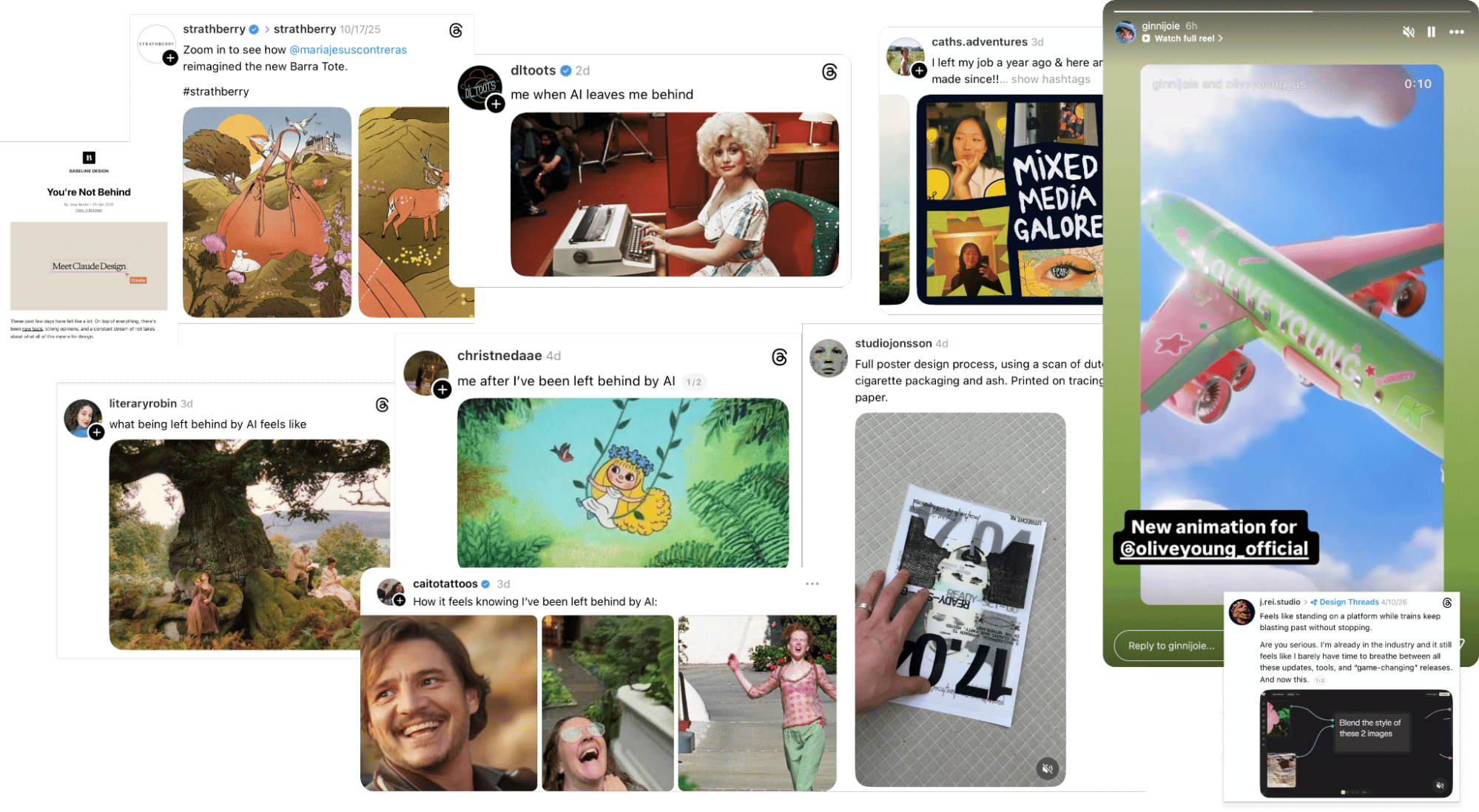
The creative field is feeling very chaotic these days. Creatives who spend time crafting their paintings, their zines, their logos, their illustrations and their concepts… after spending hours and hours of time crafting and exploring, are having fingers pointed at them by commenters for “using AI” or “making slop,” thanks to the looming threat of AI everywhere. And even for the creatives who want to protect their career, prepare for the future, and use tech in an ethical way, it feels like it’s impossible to stay abreast of all the developments as things hyper-evolve before our eyes.
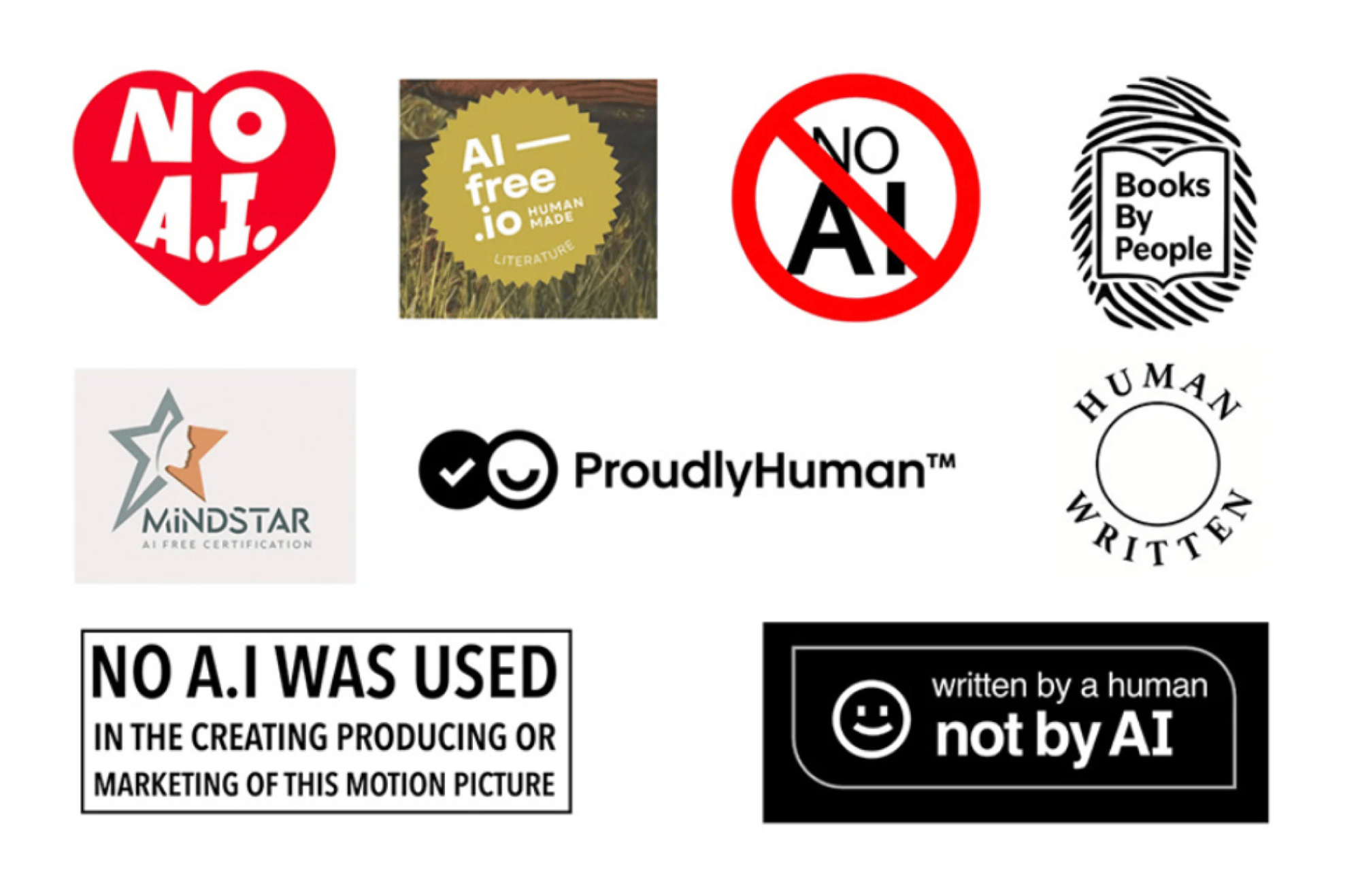
Among this swirl of what’s real or what’s fake, creators are seeking a way to let the world know that AI played no part in their creations.
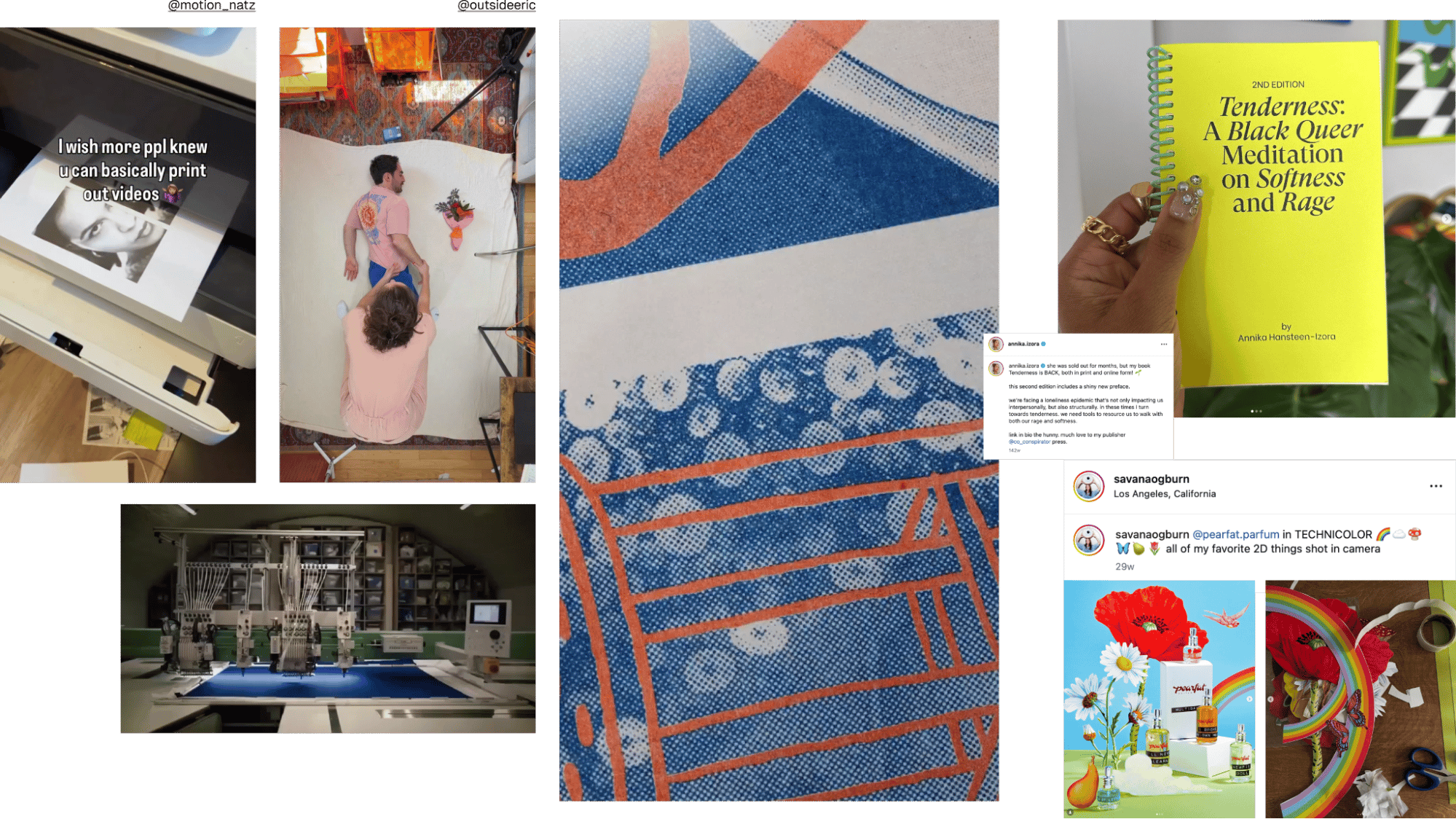
As marketers and as people, we have a duty to support creators, artists and visionaries who see the value in handcrafting their creations. Not everything can be hand-stitched, hand-cut or hand-printed, but when those opportunities are made — when the confidence is there to not just think about numbers, but to think about the trust, to create a sense of community with brands and their audience, and to make meaningful and memorable moments — that only strengthens brand loyalty and fosters communities of creativity. Shout-out to all the brands hiring creatives who keep handcrafted arts alive.
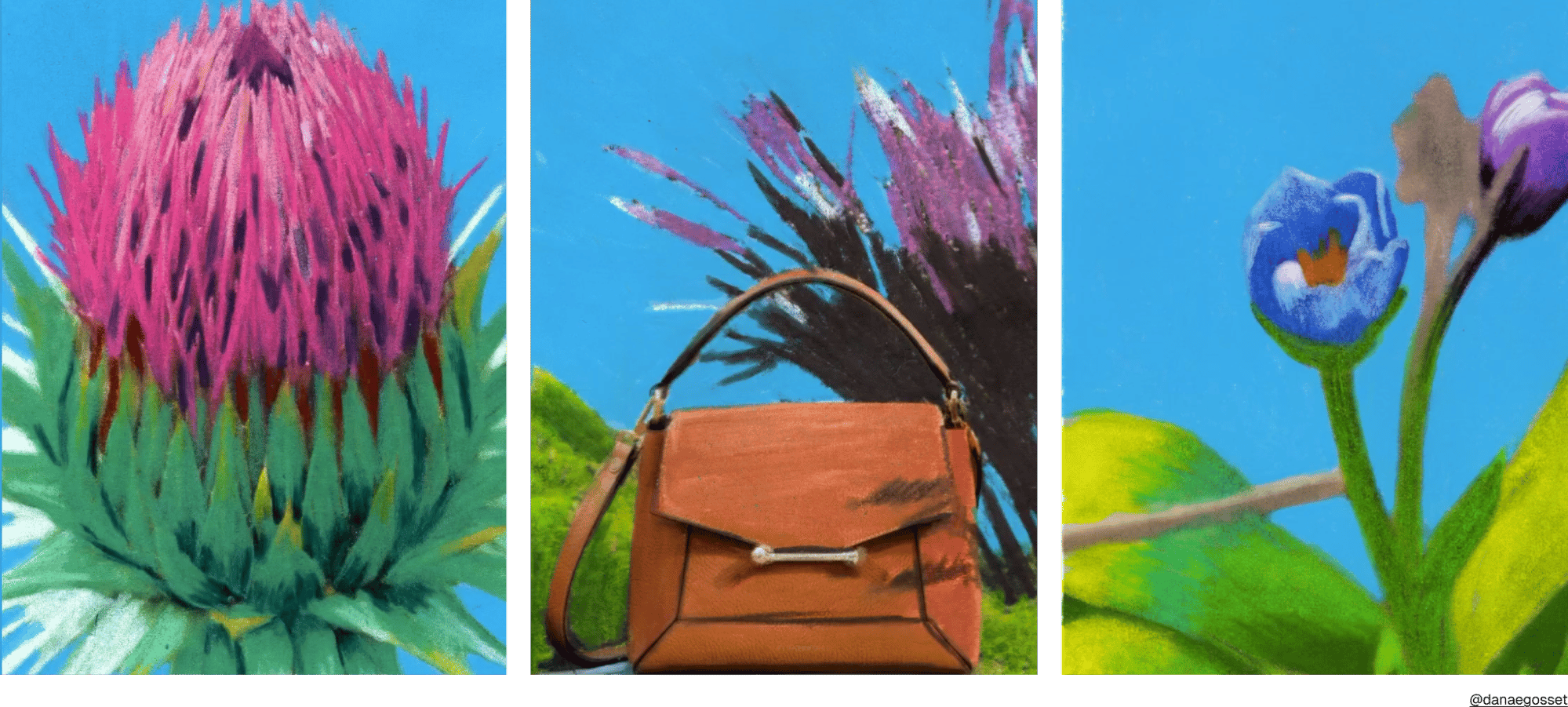
We know technology will continue to evolve, and there will be use cases for whatever technology progresses next.
But.
Let’s not forget to:
look away from the screen • embrace the imperfect • take the time to enjoy • ask questions • maintain our humanity.
Comments
Add A Comment