The Era of Peak Minimalism Is Over
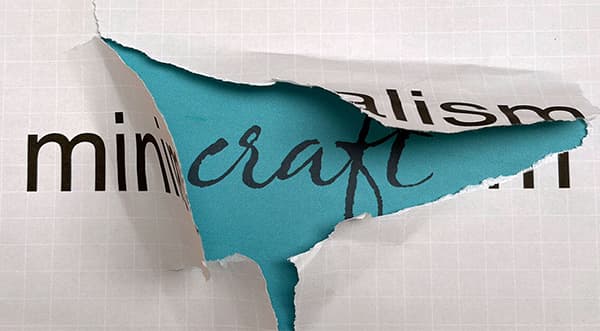
For the majority of the 2010s, it felt like design was driven largely by a trend toward minimalism.
Industrial Design celebrated the blank slab of the iPhone and MacBook Air. UI shifted away from skeuomorphism. Architecture awards recognized the sleek, minimalist designs of projects like SAANA’s Toledo Museum of Art Glass Pavilion. And iconic brands such as Starbucks, Burberry and BMW removed the excess and embraced the idea of simplicity in their visual identities and logos.
The cultural drivers of this shift were clear. The goal was for design to be more frictionless. Brands were seeking to embrace the trends of the digital era. But the byproduct of this trend was that “good design” became increasingly homogenized across the globe. The great flattening of design ended up creating a sea of sameness, peaking with fast food restaurant interiors that felt more like airport lobbies than restaurants.
The pendulum for the last three years has now swung in a different direction. Burberry abandoned its minimalist logo in favor of a new heritage-focused identity. Apple’s UI embraced materiality and depth once again. And the recently acclaimed redesign of Penn Station is layered with classical architectural motifs.
With the rise of AI, we’re going to see a renewed focus on design that looks like it was made by – and for – humans. With new tools making the creation of digital design artifacts easier than ever before, it creates the foundation for a shift in what society gives status.
“Project Hail Mary” was a hit at the box office, and the notable fact that it was made without green screens was a huge part of the word of mouth that fueled the film’s buzz. Meanwhile, Apple TV’s intro animation was celebrated for its lack of CGI and its use of a camera and physical glass to create an animation that 10 years ago would’ve been digital from start to finish.
Even Anthropic, which famously writes all code with AI at this point, didn’t use AI to generate its recent launch video for Claude Fable. They scanned imagery from the physical Brockhaus encyclopedia, animated it in After Effects and hired a composer to craft the music.
Once things become abundant, they lose their value. Design that feels more like craftsmanship than minimalist restraint is going to be what is considered remarkable in the years ahead.

Comments
Add A Comment