From Roadside to Real-time: The Unexpected Comeback of Out-of-Home Ads

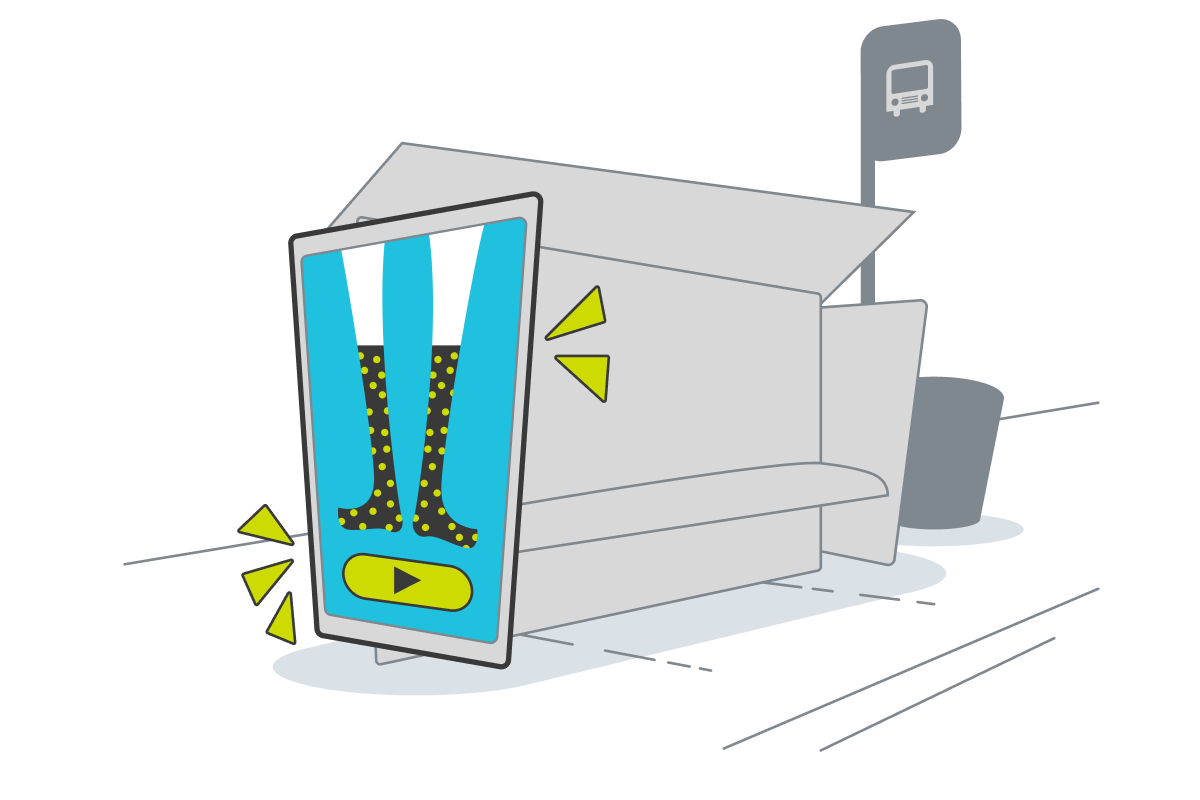
Imagine walking down the sidewalk and seeing an ad on the bus stop for the exact knee-high polka dot socks you’ve been on the fence about buying.
How is this even possible? It’s not a coincidence - it’s the magic of digital out-of-home advertising (DOOH).
Gone are the days of spray-and-pray billboards. Today’s out-of-home ads are highly sophisticated, hyper-targeted, and cross-channel capable, making them a vital part of every marketer’s arsenal.
So if you’re not in the DOOH game yet, here are five reasons you should be.
1. DOOH Offers Formats and Placements Galore
Forget about static ads. DOOH now spans a wide spectrum of formats, giving marketers flexibility in how and where they connect with audiences.
Yes, large-format digital billboards remain a staple for reach, but transit screens in airports, subways, and rideshares now offer high-frequency visibility. Video has become a central format in DOOH, enabling brands to run story-driven creative that mirrors the impact of TV, but in real-world environments. Think place-based screens like those in doctors’ offices, gyms, gas stations, retail stores, and movie theaters, where attention levels are higher.
Perhaps most exciting are immersive formats such as 3D billboards, interactive touchscreens, and augmented reality installations. These placements are redefining what’s possible for engagement, with 3D or high-impact formats increasing brand recall up to 40% compared to traditional 2D advertising.
2. The Targeting Capabilities Are Next Level
Like a brand’s Instagram post? Don’t be surprised when their ad shows up on the screen in your Uber.
Brands can now use DOOH ads to target users with the same precision as internet or social media campaigns, accessing demographic, psychographic, and even behavioral data.
Because DOOH inventory can be purchased programmatically, ad space can be bought in a split second when a user enters the vicinity of the ad space. Sensors register a device’s user ID and then determine whether it is in a brand or ad’s specific target audience. Targeting can also be refined using bid exclusions, bid multipliers, dayparting, and more. TL;DR, you can now narrowly and accurately reach your target audience.
A recent study conducted by OOH media agency Talon indicates that integrating programmatic OOH can drive a 3x increase in purchase intent and deliver 15% higher brand relevance.
3. DOOH Ads Can Change With the World Around Them
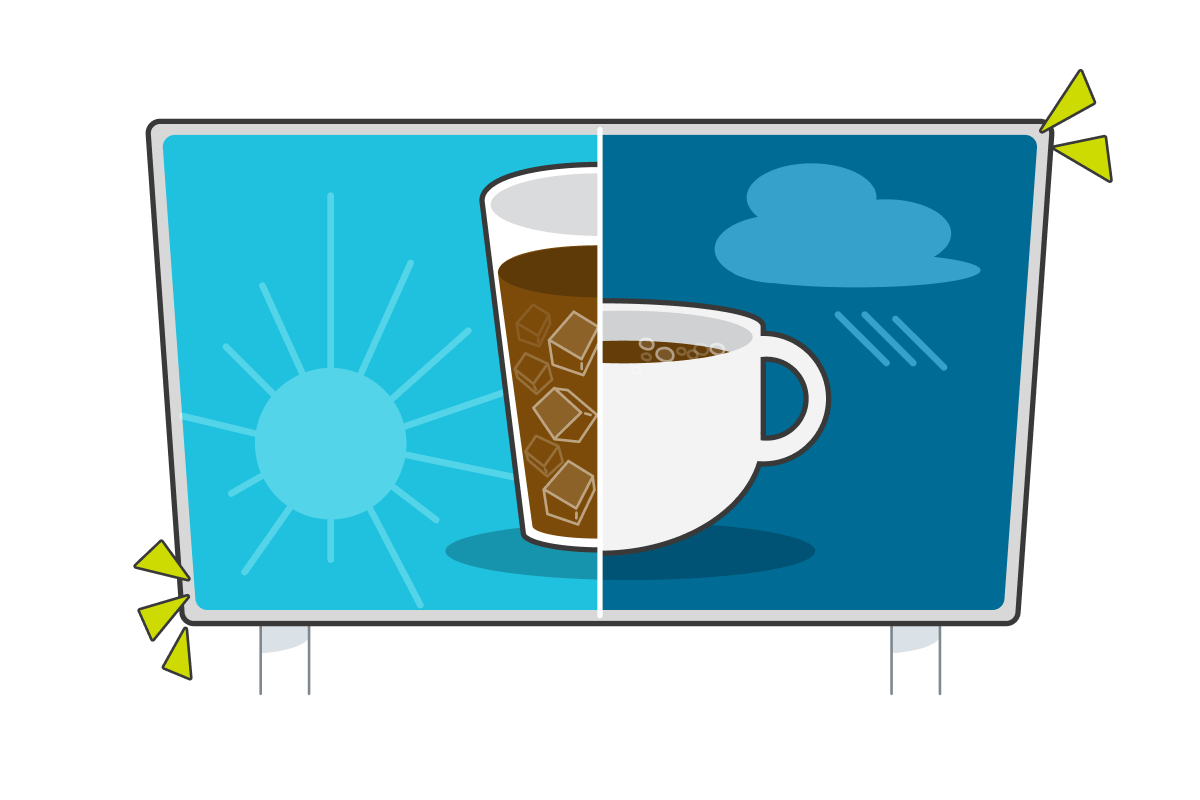
A coffee brand with a digital billboard can program its ad to showcase its hot lattes, but trigger an iced coffee ad if the temperature rises above a certain degree. Pretty cool, right?
But let’s take it up a notch. Say a financial services app, called SmartStock, decides to run ads based on how the stock market is doing in that exact moment. If the S&P 500 is up that day, the message shown is: “Don’t miss your chance while the markets are rising. Start investing today with SmartStock.” The moment the market drops, the ad automatically updates to “Markets can be volatile. Get insights to manage your portfolio and prepare for the unpredictable with SmartStock.”
This is one of the most compelling developments in DOOH tech: the ability to adjust ads based on external events or environmental factors, allowing for creative adaptation in real-time. Unlike fixed or scheduled image ad rotations, ads can be triggered by changes in weather, traffic, flash sales, sports scores or even the stock market.
4. They Can Be the Missing Link Between Interest and Conversion
DOOH is no longer a siloed channel. It can now amplify messages across a variety of channels within a campaign’s media mix.
For example, DOOH can integrate with smart TVs to provide seamless in-home and out-of-home storytelling. DOOH can be leveraged alongside social campaigns to reinforce messaging across multiple touchpoints. DOOH can also be utilized for mobile campaigns to drive real-time action, such as code scans or app downloads.
And the mobile integration doesn’t stop there. By capturing anonymized IDs of nearby mobile devices, advertisers can later retarget the people who were previously exposed to an out-of-home ad. For example, a user drives by a digital billboard for an upcoming concert. Later that day, the same user gets an Instagram ad with a price drop for that very same concert.
For users interested in the billboard ad, this follow-up message may be the missing link between hooking their attention and buying tickets. Follow-up ads or sequential messaging across digital platforms closes the gap between real-world exposure and digital engagement. The result is greater precision, a consistent user experience, improved attribution, and a clearer view into the measurable impact of OOH advertising.
5. They’re Actually Interactive
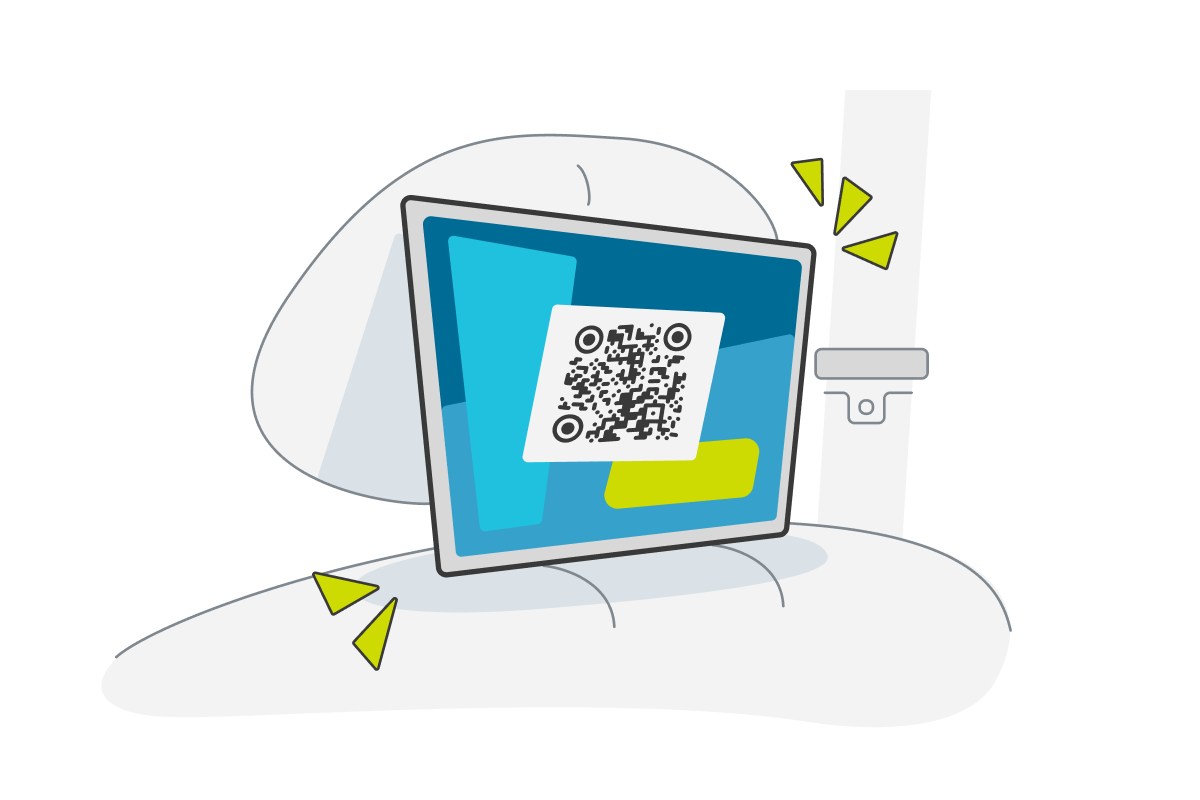
Modern DOOH has moved beyond static displays to screens that create two-way experiences for consumers. Interactive technology like motion sensors, facial recognition and scannable QR codes let people actively engage with ads in real time — whether by triggering personalized content or connecting directly to a brand’s landing page.
A pet food company can use its DOOH tech to recognize a certain breed of dog walking with its owner and then showcase pet food customized for that dog breed. Interactive tech can allow users to swipe through screens or short quizzes, providing a two-fold benefit of increased user engagement and access to consumer behavior insights. Facial recognition can record people’s facial expressions in response to the ad, then measure which ads evoked the most positive reactions.
This added layer of interactivity not only boosts brand recall but also drives measurable down-funnel impact. For example, a recent Nokia DOOH campaign featured a 30-second video ad, then prompted users to touch the screen and explore the new Nokia’s features. The campaign ultimately delivered a 68% lift in purchase intent, underscoring how engagement-based formats can turn passive viewers into active participants.
Don’t Sleep on DOOH
The proof is in the numbers: digital out-of-home has established itself as a flexible, data-driven, personalized ad medium that gets results. And as new technology continues to emerge, it’s only going to become more relevant and powerful for marketers. So if you’re not in on DOOH yet, it’s time to take your brand beyond the screen and out into the real world.
What’s Next for DOOH?
While out-of-home has already been redefined in the last several years, there are still many promising new advancements on the horizon.
-
Emerging Technologies: While the advancements of DOOH in today’s landscape are profound, technologies currently being developed promise even more innovation in the near future. Connected machines and smart cars present a promising new opportunity, with digital ad spaces placed on top or outside of cars, in ride-share vehicles, and even on delivery robots. Artificial Intelligence will enable predictive audience modeling, content scheduling, generative AI and dynamic creative optimization, all to customize ads in real-time.
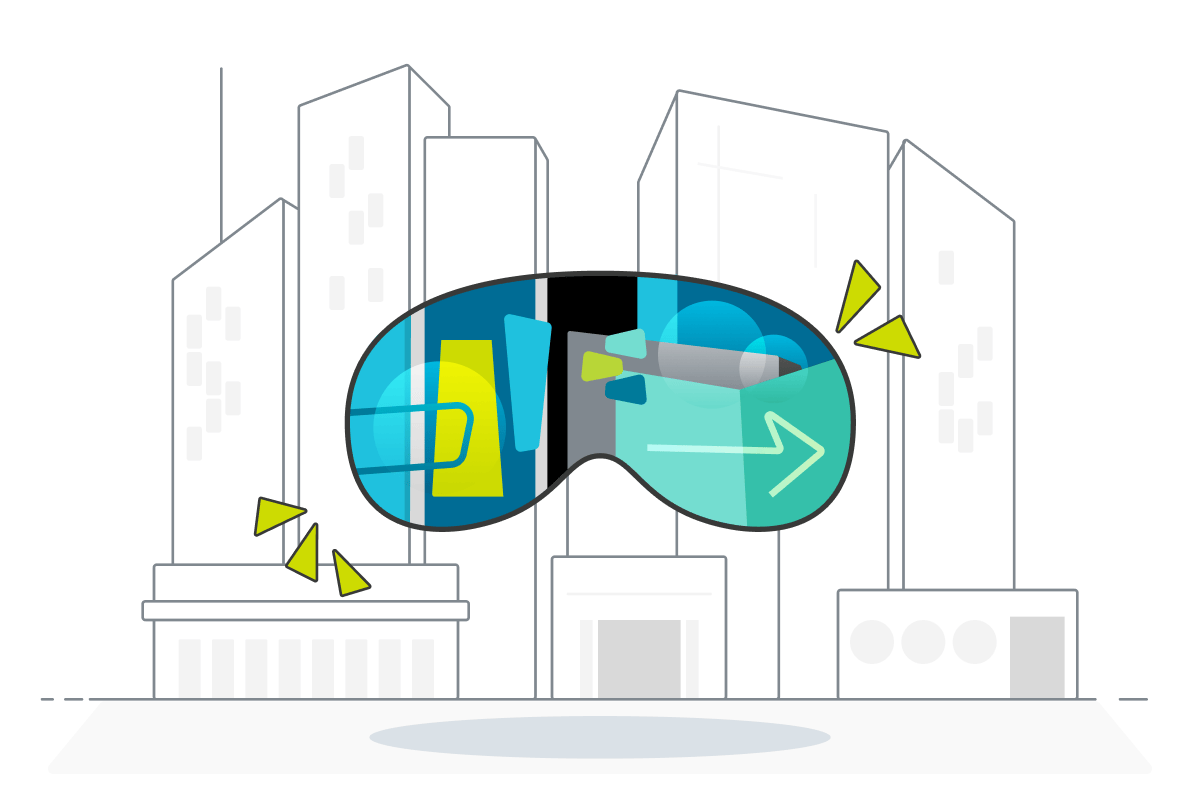
Augmented Reality (AR) advertising will soon have the capability to turn regular city streets into an interactive ad space, merging digital with the physical realm through your phone, smart glasses or other AR-enabled devices. The possibilities are endless with AR advertising - you could point your phone at a storefront and virtually “try on” merchandise. Or view a sports game through the lens of AR glasses, gaining access to player stats in their field of view, or commentary supplemented by sponsored ad experiences. As society and technology continue to advance, so too do the capabilities and integration opportunities of DOOH. - First-Party Data Convergence: DOOH is increasingly utilizing first-party data, using audience signals like browsing behavior, purchase history, or stage of life. Not only does this empower brands to reach the highest value consumers with their DOOH dollars, it also enables precise remarketing, the likes of which were only traditionally possible through lower-funnel digital channels, like social media or Google search ads.
- Smart Cities and Intelligent Environments: We’re quickly approaching a future where the internet and analytics are applied to infrastructure, urban living, public services and participation in community (e.g., creating an Intelligent Environment in a “Smart City”). For example, if a passenger on a bus route purchased a ticket to a specific destination, this data can inform hyper-targeted OOH ads along the way, via billboards, bus-stop screens, or screens located within the vehicle. Relevant advertising opportunities could include an upcoming trip or destination, reminders about previous browsing and purchase activity, points of interest along or near the route, and final destination details/events.
How Marketers Can Prepare
In order to fully leverage the potential of DOOH and stay ahead of the curve with these cutting-edge new technologies, brands should begin testing new DOOH formats, experiment with different contextual triggers, and consider how it could fit into their omni-channel strategies. The early adopters of these strategies will be the best positioned to leverage the full potential of this ever-evolving medium.
DOOH has established itself as a flexible, data-driven, personalized ad medium. Looking ahead, DOOH will only become more relevant and powerful for marketers as emerging technology and smart city infrastructure continue to evolve.
Sources:
https://www.whistlerbillboards.com/friday-feature/the-impact-of-digital-billboards-on-traditional-advertising/
https://oaaa.org/wp-content/uploads/2022/09/Understanding-Smart-Cities-and-Role-of-OOH-Advertising.pdf
https://talonooh.com/2025-ooh-trends/
https://talonooh.com/integrating-programmatic-ooh-into-media-strategies/
https://www.digitalsignagetoday.com/blogs/how-ai-data-digital-screens-are-powering-the-future-of-ooh-advertising/
https://apviz.io/blog/3d-marketing/

Comments
Add A Comment